
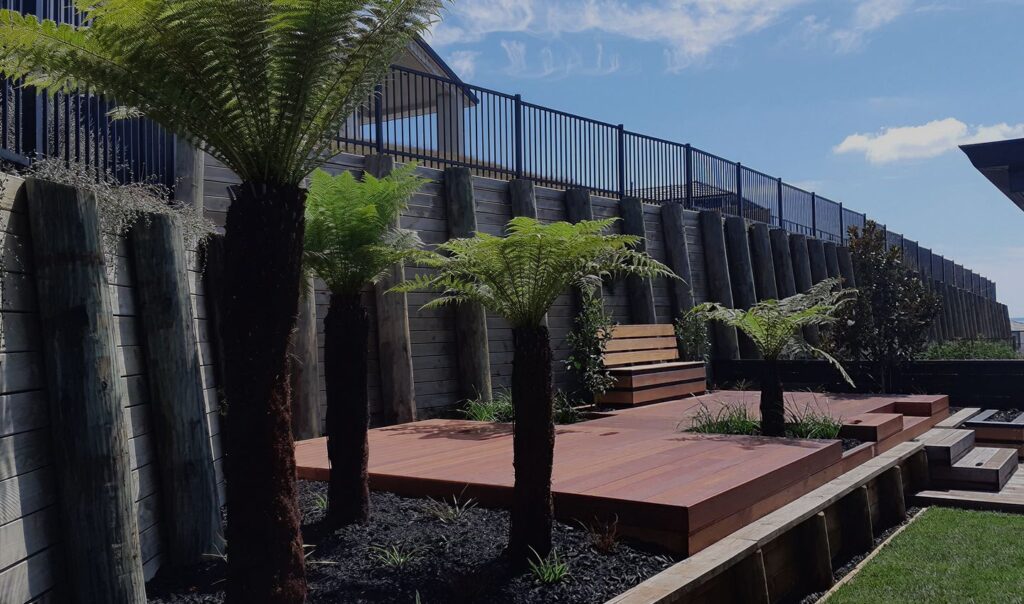
Planning a garden makeover? Get expert tips on how much to budget for landscaping in New Zealand. Find the perfect solution for your space.
Transforming your Kiwi backyard into a personal paradise is an exciting dream. Every homeowner in New Zealand wants a space reflecting their lifestyle and boosting property value.
Investing in your property provides long-term satisfaction and joy. Families across the country value quality outdoor spaces for weekend gatherings and relaxation.

Finding a clear landscape cost can feel overwhelming at first. You must balance your unique vision with practical expenses for the best results.
A total garden makeover involves many moving parts and decisions. From choosing native plants through installing hardscapes, every detail affects your final landscaping budget.
Knowing these figures early helps prevent surprises later during construction. This guide explores how you enjoy planning while maintaining financial control over your project.
We provide helpful insights for navigating the process with confidence. Use these tips for building a beautiful exterior area efficiently and effectively.
Key Takeaways
- Garden size and site complexity dictate the final price.
- Quality materials ensure your outdoor space lasts for decades.
- Native plants offer a cost-effective and beautiful solution.
- Labor rates vary depending on the specific project location.
- Planning early prevents unexpected financial surprises during the build.
- Professional design adds significant market value for homeowners.
Understanding the Factors That Influence Landscaping Costs
Landscaping costs can be affected by a multitude of elements, making it crucial to identify these factors early on. A thorough understanding of these factors can help homeowners and landscapers alike to plan and budget more effectively for landscaping projects.
Site Accessibility and Terrain Challenges
The accessibility of your site and the challenges posed by its terrain play a significant role in determining landscaping costs. Difficult-to-access sites may require specialized equipment or more labor, increasing costs. Similarly, terrains with significant slopes or uneven ground may necessitate additional work, such as grading or terracing, to create a stable and visually appealing landscape.
Soil Quality and Drainage Requirements
The quality of the soil and its drainage characteristics are critical factors in landscaping. Poor soil quality may require amendment with organic matter or the removal and replacement of the existing soil, both of which can be costly. Furthermore, areas with poor drainage may need the installation of drainage systems to prevent waterlogging and erosion.
The Complexity of Your Design Vision
The complexity of your landscaping design also significantly influences the cost. More intricate designs that include multiple elements such as water features, outdoor lighting, and complex planting schemes will generally be more expensive than simpler designs. It’s essential to balance your design aspirations with budget realities to achieve a successful outcome.
Determining How Much to Landscape Your Specific Property
To determine the cost of landscaping your property, it’s essential to consider various elements that impact the overall expense. The size of your property, the complexity of your design, and the materials you choose all play significant roles in shaping your landscaping budget.
Small Urban Courtyards versus Large Rural Sections
The size and location of your property are critical factors in determining landscaping costs. Small urban courtyards typically require more precise and intricate designs due to their limited space, often involving higher costs per square meter. In contrast, large rural sections offer more flexibility in design but may incur higher overall costs due to the larger area that needs to be landscaped.
For instance, a small urban courtyard might focus on compact, multi-level designs and expensive hardscaping materials to maximize space, while a large rural property might emphasize expansive lawns, larger plantings, and more extensive hardscaping features like ponds or driveways.
Video source from youtube
Hardscaping versus Softscaping Ratios
The balance between hardscaping and softscaping is another crucial factor. Hardscaping involves non-plant elements like patios, walkways, and retaining walls, while softscaping focuses on plantings, lawns, and other living elements. The ratio between these two components can significantly affect your budget.
- Hardscaping tends to be more expensive upfront due to the cost of materials and labor.
- Softscaping, while potentially less expensive initially, may require more ongoing maintenance costs.
Finding the right balance is key to achieving your landscaping goals within your budget.
Material Selection and Quality Grades
The choice of materials and their quality grades can also dramatically impact your landscaping costs. High-quality materials may be more expensive initially but can offer long-term savings through reduced maintenance and replacement needs.
| Material | Low-Grade Cost | High-Grade Cost |
|---|---|---|
| Paving Stones | $50 per sqm | $100 per sqm |
| Decking Timber | $30 per linear meter | $60 per linear meter |
Understanding the implications of your material choices is vital for making informed decisions that align with your budget and landscaping objectives.
Average Cost Breakdowns for New Zealand Landscaping Projects
For those looking to enhance their outdoor spaces, understanding the average costs of landscaping projects in New Zealand is essential. Landscaping can transform a garden into a beautiful and functional area, but the costs can vary widely based on the scope and complexity of the project.
The cost of landscaping a garden in New Zealand depends on several factors, including the size of the property, the type of landscaping chosen, and whether the work is done professionally or as a DIY project. Here’s a breakdown of what you can expect to pay for different levels of landscaping.
Budget-Friendly DIY Approaches
For homeowners on a tight budget, DIY landscaping is a cost-effective way to improve their gardens. By taking on the work themselves, homeowners can save on labor costs, which can be a significant portion of the overall expense.
Cost-saving DIY landscaping tips:
- Choose plants and materials that are readily available and affordable.
- Reuse and repurpose existing garden features where possible.
- Plan your project carefully to avoid costly mistakes.
On average, a DIY landscaping project in New Zealand can cost anywhere from $500 to $5,000, depending on the materials and plants chosen.
Mid-Range Professional Installations
For those who prefer to hire professionals, mid-range landscaping installations offer a balance between quality and affordability. These projects typically involve a mix of hardscaping and softscaping elements.
Key components of mid-range landscaping:
- Professional design and planning.
- High-quality materials for hardscaping features like patios and paths.
- A selection of plants and trees for softscaping.
The cost for mid-range professional landscaping in New Zealand can range from $10,000 to $30,000, depending on the complexity of the design and the materials used.
High-End Bespoke Garden Transformations
For homeowners looking to create a truly unique and luxurious outdoor space, high-end bespoke garden transformations are the way to go. These projects involve detailed design and planning, premium materials, and expert installation.
Features of high-end landscaping:
- Custom-designed gardens tailored to the homeowner’s preferences.
- High-end materials and finishes.
- Advanced irrigation and lighting systems.
The cost for high-end bespoke landscaping in New Zealand can start at $50,000 and go upwards of $100,000 or more, depending on the scope and luxury level of the project.
The Role of Professional Design and Planning
Professional design and planning are crucial elements in the success of landscaping projects. A well-designed landscape not only enhances the aesthetic appeal of a property but also increases its value and functionality.
When it comes to landscaping, the importance of having a clear plan cannot be overstated. This is where a landscape architect plays a vital role. Their expertise ensures that the project is executed with precision, taking into account the unique characteristics of the site and the client’s preferences.
Why Hiring a Landscape Architect Adds Value
Hiring a landscape architect adds significant value to a landscaping project. They bring a deep understanding of both the aesthetic and functional aspects of landscape design. Their involvement can help in creating a cohesive plan that not only meets but exceeds the client’s expectations.
A landscape architect’s expertise includes understanding the site’s conditions, such as soil quality, drainage, and existing flora. This knowledge is crucial in designing a landscape that is not only beautiful but also sustainable and low maintenance.

Understanding Design Fees and Consultation Costs
Understanding the costs associated with hiring a landscape architect is essential for budgeting. Design fees can vary widely based on the project’s complexity, the architect’s experience, and the scope of work.
Typically, consultation costs are factored into the overall design fee. It’s essential to clarify what services are included in the fee and what might incur additional costs. This transparency helps in avoiding unexpected expenses down the line.
How Detailed Plans Prevent Budget Blowouts
One of the significant benefits of working with a landscape architect is the creation of detailed plans. These plans outline every aspect of the project, from material selection to labor requirements, providing a clear roadmap for execution.
By having a comprehensive plan, homeowners can avoid costly changes mid-project. Detailed plans also help in identifying potential issues early on, allowing for adjustments to be made before they become major problems, thus preventing budget blowouts.
Essential Hardscaping Costs to Consider
To create an inviting outdoor space, it’s essential to consider the various hardscaping elements and their associated costs. Hardscaping involves the construction of durable outdoor features that not only enhance the aesthetic appeal of your garden but also improve its functionality.
Decking and Timber Structures
Decking and timber structures are popular hardscaping features that can significantly enhance the usability of your outdoor space. The cost of decking depends on the type of timber used, with options ranging from budget-friendly treated pine to more expensive hardwoods like kwila or macrocarpa.
Decking Costs in New Zealand:
| Material | Cost per Square Meter |
|---|---|
| Treated Pine | $60-$100 |
| Kwila | $120-$200 |
| Macrocarpa | $150-$250 |
Paving, Retaining Walls, and Concrete Work
Paving, retaining walls, and concrete work are other critical hardscaping elements that can add value to your property. The cost of these features varies widely depending on the materials chosen and the complexity of the design.
Paving Options: Concrete pavers, natural stone, and brick pavers are popular choices, with costs ranging from $50 to $200 per square meter, depending on the material and pattern complexity.
Fencing and Privacy Screening Options
Fencing and privacy screening are essential for defining your outdoor space and ensuring privacy. The cost of fencing depends on the material used, with options including timber, metal, and composite materials.
Fencing Costs: Timber fencing can range from $100 to $300 per linear meter, while metal fencing can be more expensive, ranging from $200 to $500 per linear meter.
Investing in Softscaping and Planting
To achieve a lush and inviting garden, understanding the costs associated with softscaping and planting is essential. Softscaping involves the use of living elements such as plants, trees, and lawns to create a beautiful and functional outdoor space.
Sourcing Native New Zealand Plants
Native New Zealand plants are a popular choice for landscaping due to their hardiness and low maintenance requirements. Sourcing these plants can be done through local nurseries or specialized native plant suppliers.
Some popular native plants include:
- Kowhai, known for its vibrant yellow flowers
- Flax, which adds a dramatic touch with its large leaves
- Kauri, a majestic tree that can be a focal point in any garden

The Cost of Mature Trees versus Seedlings
When it comes to tree planting, one of the key decisions is whether to opt for mature trees or seedlings. Mature trees provide an instant impact but come at a higher cost.
The cost of mature trees can range from $500 to $2,000 or more per tree, depending on the species and size. Seedlings, on the other hand, are more budget-friendly, costing between $5 to $50 each.
Key considerations include:
- The immediate visual impact desired
- The long-term growth and maintenance costs
- The species of the tree and its adaptability to the local climate
Lawn Installation Methods and Turf Pricing
Lawn installation is another critical aspect of softscaping. There are different methods, including seeding, turfing, and hydroseeding.
Turfing is a popular choice for its instant results. The cost of turfing can vary based on the type of grass and the size of the area to be covered. On average, turf pricing in New Zealand ranges from $8 to $15 per square meter.
| Lawn Installation Method | Cost per Square Meter |
|---|---|
| Turfing | $8 – $15 |
| Seeding | $2 – $5 |
| Hydroseeding | $3 – $7 |
Hidden Costs and Contingency Planning
When planning a landscaping project, it’s crucial to consider not just the visible expenses, but also the hidden costs that can significantly impact your budget. These costs can arise from various aspects of the project, and being aware of them can help you plan more effectively.
Council Consents and Compliance Fees
One of the often-overlooked expenses in landscaping projects is the cost associated with obtaining necessary council consents and complying with local regulations. Depending on the scope of your project, you may need to secure permits or approvals from your local council, which can incur additional fees.
These costs can vary widely depending on the location and the nature of your project. For instance, if your landscaping involves significant earthworks or the construction of structures like decks or retaining walls, you may need to comply with specific building codes or zoning regulations.
Excavation and Waste Removal Expenses
Another area where hidden costs can arise is in excavation and waste removal. Depending on the condition of your site, you may need to remove existing structures, clear debris, or excavate soil to prepare for your new landscaping. These tasks can be labor-intensive and may require specialized equipment, adding to your overall costs.
It’s also important to consider the cost of disposing of waste materials. Some materials, like contaminated soil or hazardous waste, may require special handling and disposal procedures, further increasing your expenses.
Setting Aside a Buffer for Unforeseen Issues
No matter how well you plan your landscaping project, unforeseen issues can still arise. Weather conditions, unexpected site conditions, or changes in material availability can all impact your project’s timeline and budget.
To mitigate these risks, it’s wise to set aside a contingency fund. A general rule of thumb is to allocate between 10% to 20% of your total project budget for unexpected expenses. This buffer can help ensure that you’re prepared for any surprises that come your way.
By understanding these potential hidden costs and planning accordingly, you can create a more realistic budget for your landscaping project and avoid financial stress down the line.
Tips for Maximizing Your Landscaping Budget
Creating a beautiful garden doesn’t have to break the bank, and with a few strategic decisions, you can maximize your landscaping budget. A well-planned landscaping project can be achieved by prioritizing your needs, making smart choices, and considering long-term benefits.
Phasing Your Project Over Multiple Seasons
One effective way to manage your landscaping budget is to phase your project over multiple seasons. This approach allows you to spread out the costs and make adjustments as needed based on how your garden evolves.
By focusing on one area or feature at a time, you can ensure that each element is completed to a high standard without feeling rushed or compromising on quality. For example, you might start with the area closest to your home or the most visible section of your garden.
“Phasing your landscaping project can make it more manageable and less overwhelming, both financially and logistically.”
Choosing Low-Maintenance Materials for Long-Term Savings
Selecting low-maintenance materials is another key strategy for maximizing your landscaping budget. While initial costs are important, it’s equally crucial to consider the long-term expenses associated with upkeep and maintenance.
Materials such as composite decking, permeable pavers, and durable hardwoods can offer significant long-term savings by reducing the need for frequent repairs or replacements. For instance, composite decking may be more expensive upfront but can last longer and require less maintenance than traditional wood decking.
| Material | Initial Cost | Maintenance Cost |
|---|---|---|
| Composite Decking | $100 per sqm | $5 per sqm/year |
| Traditional Wood Decking | $60 per sqm | $15 per sqm/year |
Balancing High-Impact Features with Cost-Effective Fillers
To create a visually appealing garden without overspending, it’s essential to balance high-impact features with cost-effective fillers. High-impact features such as water features, statement lighting, or unique sculptures can be expensive but add significant visual interest.
Balancing these with more budget-friendly elements like groundcovers, perennials, or native plants can help achieve a beautiful and diverse garden without exceeding your budget. For example, using native plants in the background can provide a lush, green backdrop for more expensive focal points.
By implementing these strategies, you can create a stunning and functional garden that meets your needs and stays within your budget. Effective landscaping is about making informed decisions that enhance your outdoor space, not just about spending money.
Conclusion
Transforming your outdoor space into a beautiful and functional garden requires careful planning and budgeting. As we’ve explored, various factors influence landscaping costs, from site accessibility and soil quality to design complexity and material selection.
By understanding these elements and considering professional design and planning, you can create a comprehensive budget for your landscaping project. Whether you’re undertaking a small urban courtyard renovation or a large rural garden transformation, being aware of average cost breakdowns and hidden expenses is crucial.
To achieve a successful garden makeover, consider phasing your project, choosing low-maintenance materials, and balancing high-impact features with cost-effective fillers. With these garden makeover final tips, you’ll be well on your way to creating an outdoor space that meets your needs and enhances your property’s value.
Effective landscaping not only beautifies your garden but also provides a serene retreat for years to come. By applying the insights gained from this article, you can confidently navigate the landscaping process and enjoy the fruits of your labor.