
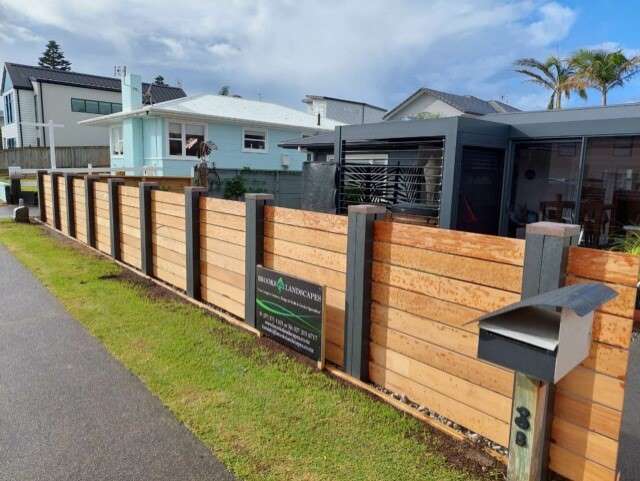
Upgrade your outdoor space with a durable garden shed from our online store. Explore our collection of where can i buy a garden shed in New Zealand.
Finding the perfect storage solution for your backyard is an exciting project for any homeowner. Whether you need space for lawnmowers or a quiet hobby nook, selecting the right garden shed NZ model makes a huge difference in your outdoor lifestyle.
Many people find that local retailers offer limited stock, which is why more Kiwis choose to buy garden shed online. This approach provides access to a wider variety of designs and materials from the comfort of your home.

Investing in a quality structure keeps your tools organized and protected from the elements. By exploring digital catalogs, you ensure your new garden shed fits your specific needs and budget perfectly.
Key Takeaways
- Researching local climate requirements helps ensure your structure lasts for years.
- Online shopping offers a broader selection of styles compared to physical stores.
- Check dimensions carefully to ensure the unit fits your available backyard space.
- Look for reputable suppliers that offer reliable delivery services across New Zealand.
- Read customer reviews to gauge the durability and assembly ease of your chosen model.
Understanding Your Garden Shed Needs in New Zealand
When it comes to buying a garden shed in New Zealand, understanding your specific needs is crucial. With various options available from garden shed suppliers NZ, making an informed decision can be overwhelming. To simplify this process, it’s essential to consider a few key factors that will guide your purchase.
Assessing Available Backyard Space
The first step is to assess the available space in your backyard. Measure the area where you plan to install the shed, taking into account any obstacles such as trees, slopes, or existing structures. Consider the size and shape of the shed that will fit comfortably in the space. A larger shed might be ideal for storage, but it may overwhelm a small backyard. Conversely, a smaller shed might not provide enough storage for your needs.
Determining the Primary Purpose of Your Shed
Understanding the primary purpose of your shed is vital. Are you looking for outdoor storage NZ solutions for your gardening tools, or do you need a workspace? Perhaps you’re looking for a shed to store outdoor equipment or as a hobby area. Identifying the shed’s purpose will help you decide on the size, design, and features you need. For example, if you plan to use the shed as a workspace, you may want to consider adding windows for natural light or installing shelving for organization.
Selecting the Right Material for NZ Weather
New Zealand’s climate varies significantly across different regions, from the temperate north to the colder south. The material you choose for your garden shed should be able to withstand the local weather conditions. Common materials include timber, metal, and resin. Timber sheds offer a natural look and can be durable if properly treated. Metal sheds are robust and resistant to pests, but may require coating to prevent rust. Resin sheds are low maintenance and resistant to rot and insects. Consider the pros and cons of each material in the context of New Zealand’s weather.
Where Can I Buy a Garden Shed Online and In-Store
When it comes to buying a garden shed in New Zealand, you have numerous options to consider. The choice between online and in-store purchasing depends on your personal preferences, the need for immediate delivery, and the level of customer service you expect.
As noted by a gardening expert,
“The right retailer can make all the difference in finding the perfect garden shed for your needs.”
Major retailers often have a wide selection and knowledgeable staff to guide your purchase.
Major Home Improvement Retailers
Major home improvement retailers like Mitre 10 and Bunnings Warehouse are popular destinations for garden shed purchases. They offer a wide range of sheds from various brands, both online and in-store. These retailers often have competitive garden shed prices NZ, and customers can benefit from their experienced staff and comprehensive after-sales service.
Shopping at these retailers allows customers to compare different models and brands side by side, making it easier to find the perfect shed.
Specialized Garden Building Suppliers
For those seeking custom garden sheds NZ, specialized suppliers are an excellent option. Companies that specialize in garden buildings can offer tailored solutions to meet specific needs, whether it’s a unique size, design, or feature. These suppliers often have a deep understanding of local building regulations and can guide customers through the process of obtaining necessary permits.
They may also offer additional services such as installation and maintenance, providing a one-stop solution for customers.
Local Hardware Stores and Community Outlets
Local hardware stores and community outlets are another viable option for purchasing a garden shed. These smaller, often family-owned businesses can provide personalized service and may carry a selection of sheds from local manufacturers. Supporting local businesses also contributes to the community’s economic well-being.
- Personalized customer service
- Potential for custom orders
- Supporting local economy
By considering these various purchasing channels, New Zealanders can find the ideal garden shed that meets their needs and budget.
Top Garden Shed Brands Available in New Zealand
In the realm of garden sheds, New Zealand consumers can choose from a range of esteemed brands that prioritize durability, customization, and ease of use. These brands have established themselves as leaders in the market by offering high-quality products that cater to the diverse needs of homeowners.
Duratuf Garden Sheds for Durability
Duratuf is a well-respected brand in New Zealand, known for its durable garden sheds that can withstand the country’s varied climate conditions. Their sheds are made from high-quality materials that ensure longevity and minimal maintenance.
Key Features of Duratuf Garden Sheds:
- Made from durable, high-quality materials
- Resistant to rust and corrosion
- Easy to maintain
Spanbild Sheds for Custom Solutions
Spanbild is another prominent brand that offers customizable garden sheds, allowing homeowners to tailor their storage solutions to specific needs. Their sheds are designed to be versatile and adaptable.
Benefits of Spanbild Sheds:
- Customizable designs to fit individual needs
- High-quality construction for durability
- Variety of sizes and styles available
Absco Sheds for Easy Assembly
Absco sheds are renowned for their ease of assembly, making them an attractive option for DIY enthusiasts. These sheds are designed to be straightforward to install, saving time and effort.
Advantages of Absco Sheds:
- Easy and quick assembly
- Durable construction
- Affordable pricing
To help you compare these top brands, here’s a summary table:
| Brand | Key Feature | Material Quality | Ease of Assembly |
|---|---|---|---|
| Duratuf | Durability | High | Moderate |
| Spanbild | Customizability | High | Moderate |
| Absco | Ease of Assembly | Good | Easy |
Video source from youtube
Evaluating Metal Garden Sheds
For those looking to invest in a reliable and long-lasting storage solution, galvanized steel sheds are an excellent option to consider. Metal garden sheds have become increasingly popular in New Zealand due to their durability and ability to withstand the country’s varied climate conditions.
Benefits of Galvanized Steel Construction
Galvanized steel sheds are renowned for their strength and resistance to corrosion. The galvanization process involves coating the steel with a layer of zinc, which protects it from rust and extends the shed’s lifespan. This makes galvanized steel sheds a cost-effective choice in the long run.
The benefits of galvanized steel construction include:
- Enhanced durability
- Resistance to pests and rot
- Low maintenance requirements
- Ability to withstand harsh weather conditions
Maintenance Requirements for Metal Structures
While metal sheds are generally low maintenance, they still require some upkeep to ensure they remain in good condition. Regular inspections should be conducted to check for any signs of rust or damage. Applying a coat of protective paint or sealant can also help maintain the shed’s integrity.
A comparison of maintenance requirements for different shed materials is presented in the table below:
| Shed Material | Maintenance Frequency | Common Maintenance Tasks |
|---|---|---|
| Metal | Low to Moderate | Rust inspection, painting, cleaning |
| Timber | Moderate to High | Rot inspection, re-treatment, repairs |
| Plastic/Resin | Low | Cleaning, occasional repairs |
Best Environments for Metal Sheds
Metal sheds are versatile and can be used in various environments. However, they are particularly suited for areas with high winds, heavy rainfall, or extreme temperatures. In New Zealand, where the climate can be quite varied, metal sheds offer a reliable storage solution.
When choosing a metal shed, it’s essential to consider the local climate and environmental conditions to ensure the shed is appropriately designed and constructed.
Considering Timber Garden Sheds
Timber garden sheds are a favored option in New Zealand, offering a blend of functionality and natural beauty. Homeowners appreciate the rustic charm that wooden sheds bring to their gardens.
The natural look of timber sheds complements the outdoor environment, creating a harmonious visual appeal. Moreover, timber provides natural insulation, helping to regulate the temperature inside the shed.
Aesthetic Appeal and Natural Insulation
Timber garden sheds are not just functional; they also add an aesthetic value to the property. The natural texture and color of wood create a warm and inviting appearance that can enhance the overall look of a garden.
Natural Insulation: Timber has inherent insulation properties that can help keep the shed cooler in summer and warmer in winter. This natural regulation reduces the need for additional insulation measures.
Treatment Requirements for NZ Conditions
To ensure longevity, timber sheds in New Zealand require proper treatment to withstand the local climate conditions. Regular maintenance is crucial to protect the wood from rot, insect damage, and weathering.
Treatment Options: There are various treatment options available, including chemical treatments and natural oils, that can enhance the durability of timber sheds.
Longevity and Structural Integrity
The longevity of a timber shed depends on several factors, including the type of timber used, the quality of construction, and maintenance practices. With proper care, a well-built timber shed can last for many years.
| Type of Timber | Durability | Maintenance Needs |
|---|---|---|
| Macrocarpa | High | Low |
| Pine | Medium | Moderate |
| Cedar | High | Low |
Plastic and Resin Shed Options
For homeowners in New Zealand seeking a low-maintenance storage solution, plastic and resin sheds present an attractive option. These sheds are made from durable materials that can withstand the country’s varied climate conditions.

Advantages of Low-Maintenance Resin
One of the primary benefits of plastic and resin sheds is their low maintenance requirement. Unlike wooden sheds, they do not need regular painting or staining to protect them from the elements. As noted by a leading supplier,
“Resin sheds are designed to be virtually maintenance-free, making them an ideal choice for busy homeowners.”
The resin used in these sheds is resistant to rot, rust, and corrosion, ensuring that they remain in good condition for a long time. This durability is a significant advantage, especially in New Zealand’s climate, which can be quite harsh on outdoor structures.
Portability and Ease of Relocation
Another significant advantage of plastic and resin sheds is their portability. If you need to relocate your shed, perhaps due to a change in your garden layout or if you’re moving homes, plastic and resin sheds are relatively easy to disassemble and reassemble. This flexibility is particularly valuable for homeowners who may not be sure about their long-term plans.
Ease of relocation is a feature that is often overlooked when choosing a garden shed, but it can be a crucial factor for many buyers. The lightweight nature of plastic and resin sheds makes them easier to handle and transport compared to heavier metal or wooden structures.
Weather Resistance and UV Protection
Plastic and resin sheds are designed to be weather-resistant, capable of withstanding rain, snow, and high winds. Many of these sheds are also treated with UV protectants to prevent degradation from sunlight exposure. This ensures that the shed remains structurally sound and retains its appearance over time.
As emphasized by industry experts, “The use of UV-resistant materials in plastic and resin sheds is crucial for their longevity, especially in regions with high sun exposure.” This feature is particularly relevant in New Zealand, where the sun’s UV rays can be intense.
Navigating Council Regulations and Building Consents
Council regulations and building consents are key considerations for garden shed installations in New Zealand. Ensuring compliance with these regulations is essential to avoid potential fines and complications.
Before installing a garden shed, it’s crucial to understand the regulatory requirements. This includes determining whether your shed requires a building consent, understanding boundary setback rules, and complying with local district plans.
When You Need a Building Consent
A building consent is typically required for garden sheds that exceed certain size thresholds or are used for specific purposes. According to the Building Act 2004, sheds larger than 10 square meters or those that are closer than their height to a boundary may require consent.
“The Building Act 2004 sets out the requirements for building consents, including those for garden sheds. Understanding these requirements is vital for compliance.”
To determine if your shed needs a building consent, you should consult with your local council or a building expert. They can provide guidance based on the specifics of your project.
Understanding Boundary Setback Rules
Boundary setback rules dictate how close a structure can be to the property boundary. These rules vary by council, so it’s essential to check with your local authority.
| Council | Minimum Setback | Additional Requirements |
|---|---|---|
| Auckland Council | 1 meter | Check for specific zone rules |
| Wellington City Council | 1.5 meters | Consider neighboring properties |
| Christchurch City Council | 1 meter | Verify with local bylaws |
Compliance with Local District Plans
Local district plans outline specific requirements for structures within a given area, including garden sheds. These plans can cover aspects such as size, location, and external appearance.
To ensure compliance, it’s advisable to:
- Consult with your local council to understand the specific requirements.
- Review the district plan documents available on your council’s website.
- Engage with a professional, such as a builder or architect, who is familiar with local regulations.
By understanding and complying with council regulations and building consents, you can ensure your garden shed installation is lawful and stress-free.
Preparing Your Site for Shed Installation
The success of your garden shed installation in New Zealand starts with proper site preparation. A well-prepared site ensures the longevity and stability of your shed.
Importance of a Level Foundation
A level foundation is crucial for the structural integrity of your garden shed. An uneven base can lead to issues such as water accumulation, door misalignment, and even structural damage over time. To achieve a level foundation, you may need to assess the ground’s topography and make necessary adjustments.
When preparing the site, it’s essential to clear the area of debris and vegetation. This not only helps in achieving a level surface but also reduces the risk of pest infestation and moisture retention.
Steps to Achieve a Level Foundation:
- Clear the area of debris and vegetation
- Assess the ground’s topography
- Make necessary adjustments to level the ground
- Compact the soil to prevent settling
Choosing Between Concrete and Timber Floors
The choice between concrete and timber floors for your shed depends on several factors, including durability, maintenance, and aesthetic preferences.
| Flooring Material | Durability | Maintenance | Aesthetic Appeal |
|---|---|---|---|
| Concrete | High | Low | Modern, Industrial |
| Timber | Medium to High | Medium | Natural, Warm |
A well-chosen floor can enhance the shed’s functionality and aesthetic appeal.
Ensuring Proper Drainage Around the Base
Proper drainage is vital to prevent water accumulation around your shed, which can lead to erosion, moisture damage, and other issues.
To ensure proper drainage, consider the following:
- Install a slight slope around the shed to direct water away from the base
- Use gravel or other porous materials to improve drainage
- Ensure that the shed’s roof is designed to channel water effectively
Delivery and Assembly Considerations
When purchasing a garden shed in New Zealand, understanding the garden shed delivery NZ and assembly process is crucial for a smooth customer experience. The final stages of acquiring a garden shed involve more than just the purchase; they include ensuring that the shed is delivered to your property and assembled correctly.
The process begins with understanding the logistics of getting your shed to your property. Many garden sheds are sold as flat-pack kits, which require careful consideration of delivery options.
Flat-Pack Delivery Logistics
Flat-pack delivery involves shipping a shed in multiple boxes or packages. This method can be cost-effective but requires careful planning to ensure all components are received and stored securely until assembly.
When opting for flat-pack delivery, it’s essential to check with the supplier about their shipping policies, including estimated delivery times and any additional costs associated with remote or difficult-to-access locations.

DIY Assembly Versus Professional Installation
Once your shed arrives, you’ll need to decide whether to assemble it yourself or hire a professional. DIY assembly can be a cost-effective option for those with the necessary skills and time. However, it requires careful adherence to the manufacturer’s instructions and may involve additional costs for tools or materials.
On the other hand, professional installation ensures that the shed is assembled correctly and safely, potentially saving time and reducing the risk of errors. Many suppliers offer installation services or can recommend local contractors.
Tools Required for a Successful Build
For those choosing DIY assembly, having the right tools is essential. Commonly required tools include a drill, screwdrivers, and a rubber mallet. It’s also helpful to have a level and measuring tape to ensure the shed is properly aligned and level during assembly.
Before starting, it’s a good idea to check the manufacturer’s instructions for a specific list of recommended tools and to prepare your workspace to avoid delays or complications during the assembly process.
By carefully considering shed assembly NZ options and preparing accordingly, you can ensure that your garden shed is delivered and assembled efficiently, providing you with a functional and enjoyable outdoor storage solution.
Budgeting for Your Garden Shed Purchase
When planning to purchase a garden shed in New Zealand, it’s crucial to establish a realistic budget that encompasses more than just the initial purchase price. A comprehensive budget helps in avoiding unexpected expenses and ensures that you get the best value for your money.
Hidden Costs Beyond the Purchase Price
Beyond the initial cost of the garden shed, there are several other expenses to consider. These include delivery and installation costs, which can vary depending on the size of the shed and the complexity of the installation process. Additionally, you may need to factor in the cost of preparing the site for the shed, which could involve clearing the land, laying a foundation, and ensuring proper drainage.
Other hidden costs include any necessary building consents or permits, which can add to the overall expense. It’s also wise to consider the cost of any additional features or accessories you might want, such as shelving, windows, or security measures.
| Hidden Cost | Description | Estimated Cost (NZD) |
|---|---|---|
| Delivery and Installation | Cost of delivering and installing the shed | $200 – $1,000 |
| Site Preparation | Cost of preparing the site for the shed | $500 – $2,000 |
| Building Consents/Permits | Cost of necessary building consents or permits | $100 – $500 |
Comparing Value Across Different Price Points
When comparing garden sheds across different price points, it’s essential to consider the value you’re getting for your money. Cheaper sheds might be made from lower-quality materials or have a simpler design, which could affect their durability and functionality. On the other hand, more expensive sheds are often made from higher-quality materials and may offer additional features or customization options.
To compare value effectively, consider the shed’s material, size, and features. For example, a Duratuf garden shed might be more expensive upfront but could offer better durability and lower maintenance costs in the long run.
Financing Options for Larger Structures
For larger or more expensive garden sheds, financing options can be a viable way to manage the upfront cost. Some retailers offer financing plans or payment terms that can help spread the cost over time. It’s essential to carefully review the terms and conditions of any financing agreement to understand the total cost of the shed, including any interest or fees.
When exploring financing options, consider factors such as the interest rate, repayment period, and any associated fees. This will help you make an informed decision and ensure that your garden shed purchase fits within your budget.
Customization and Accessory Add-Ons
Customizing your garden shed can significantly enhance its functionality and aesthetic appeal. Whether you’re looking to maximize storage, improve lighting, or enhance security, there are numerous ways to tailor your garden shed to your specific needs.
Adding Shelving and Storage Solutions
One of the most effective ways to customize your garden shed is by adding shelving and storage solutions. This not only helps in keeping your tools and equipment organized but also makes the most of the available space. Consider using wall-mounted shelves for tools and equipment, and floor-standing storage units for bulkier items.
- Wall-mounted shelving units
- Floor-standing storage cabinets
- Overhead storage racks
- Tool holders and hooks
Installing Windows and Skylights
Installing windows and skylights can dramatically improve the ambiance and usability of your garden shed. Natural light not only makes the space more welcoming but also reduces the need for artificial lighting. When choosing windows and skylights, consider the orientation of your shed and the local climate to maximize the benefits.
- Improved natural lighting
- Enhanced ventilation
- Increased aesthetic appeal
Security Features for Peace of Mind
Security is a crucial aspect of any garden shed, especially if you store valuable equipment or tools. Adding security features can provide peace of mind and protect your investment. Consider installing heavy-duty locks, security cameras, or motion-sensitive lighting to deter potential intruders.
- Heavy-duty locks and deadbolts
- Security cameras with night vision
- Motion-sensitive lighting
- Alarm systems
By incorporating these customization ideas and accessory add-ons, you can transform your garden shed into a functional, secure, and visually appealing space that meets your specific needs.
Conclusion
Buying a garden shed in New Zealand can be a straightforward process when you have the right information. This comprehensive garden shed guide NZ has walked you through the essential steps, from assessing your needs and available space to understanding the different materials and brands available, such as Duratuf and Spanbild.
Whether you’re looking for the durability of metal sheds, the aesthetic appeal of timber, or the low-maintenance benefits of plastic and resin sheds, there’s a solution to suit your requirements. Ensuring compliance with council regulations and properly preparing your site are crucial steps that can save time and costs in the long run.
By considering factors such as budget, customization options, and the benefits of different brands, you can make an informed decision when buying garden sheds NZ. With the right shed, you’ll not only enhance your outdoor space but also increase your property’s functionality and value.