
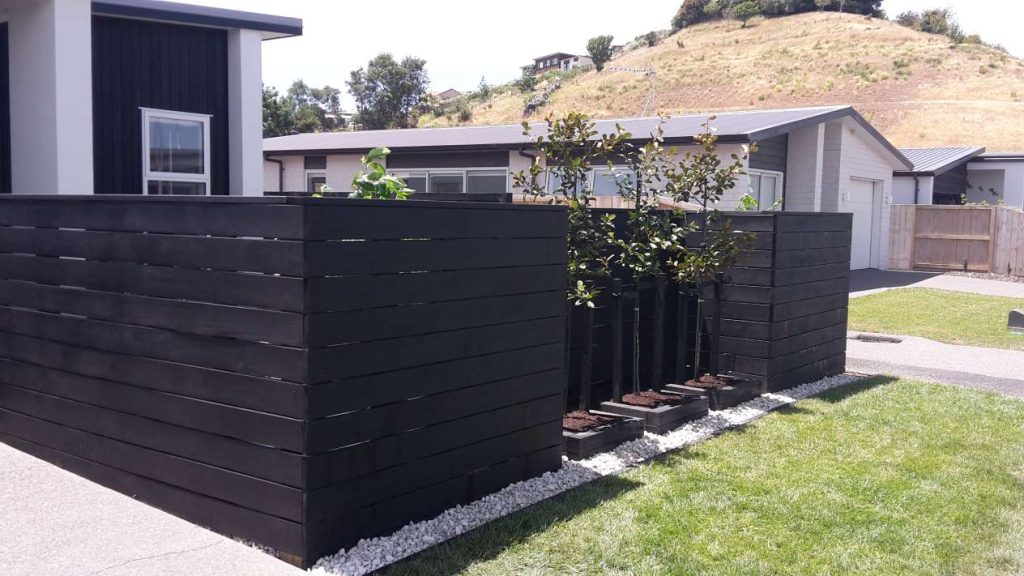
Discover the benefits of using walnut shells in your garden. Learn how they can improve soil quality and promote plant growth.
Many Kiwi growers constantly seek sustainable ways to improve soil health. You might wonder if discarded nut casings offer value in your backyard patch. Using walnut shells in garden beds is a clever way to repurpose organic waste while enhancing drainage.

These tough materials provide excellent aeration when mixed into heavy clay soils. Beyond structure, natural decomposition slowly releases nutrients, which helps plants thrive over time. Understanding these benefits of walnut shells allows you to turn kitchen scraps into a valuable resource.
Whether you manage a small vegetable plot or a large landscape, this approach supports eco-friendly habits. Let us explore how this simple addition transforms your growing space into a productive haven.
Key Takeaways
- Walnut casings improve soil aeration and drainage significantly.
- They act as a long-lasting, slow-release organic mulch.
- Using these materials reduces household waste effectively.
- They help suppress weed growth when applied as a top layer.
- Proper preparation ensures safety and optimal nutrient absorption.
Understanding the Composition of Walnut Shells
To effectively utilize walnut shells in gardening, it’s essential to understand their composition. Walnut shells are not just waste material; they have unique properties that can benefit or hinder garden health depending on how they are used.
Physical Properties and Decomposition Rates
Walnut shells are known for their hardness and durability, which affects their decomposition rate. They are primarily composed of lignin and cellulose, making them resistant to breakdown. The decomposition process can be slow, often taking several years to fully break down.
Decomposition Rates of Walnut Shells
| Shell Size | Decomposition Time | Factors Influencing Decomposition |
|---|---|---|
| Large pieces | 3-5 years | Microbial activity, moisture |
| Small pieces | 1-3 years | Soil aeration, temperature |
| Crushed shells | 6-12 months | Soil pH, nutrient availability |
The physical properties of walnut shells, such as their size and structure, significantly influence their decomposition rates. Crushing or shredding the shells can accelerate their breakdown, making their nutrients more readily available to plants.
Nutrient Content and Organic Matter
Walnut shells are rich in carbon and contain various micronutrients, although the exact nutrient content can vary. They are considered a carbon-rich material, which can help balance the carbon-to-nitrogen ratio in compost piles.
Nutrient Content of Walnut Shells
| Nutrient | Content (%) | Benefit to Soil |
|---|---|---|
| Carbon | 40-50 | Improves soil structure |
| Nitrogen | 0.5-1.5 | Supports microbial growth |
| Potassium | 0.2-0.5 | Essential for plant health |
Understanding the nutrient content of walnut shells is crucial for assessing their value as an organic amendment. While they may not be as nutrient-dense as other materials, their carbon content can significantly contribute to soil health.
Are walnut shells good for the garden
Walnut shells offer a multitude of benefits when used in the garden, from improving drainage to enhancing soil aeration. This section explores the advantages of incorporating walnut shells into your gardening routine.
Benefits of Using Shells as Mulch
Using walnut shells as mulch can significantly enhance the aesthetic appeal of your garden while providing several practical benefits. Mulching with walnut shells helps retain moisture in the soil, suppresses weed growth, and regulates soil temperature.
The slow decomposition rate of walnut shells makes them an ideal mulching material, as they provide long-lasting benefits without quickly breaking down. Additionally, their dark color can add a decorative touch to flower beds and around trees.
Video source from youtube
Improving Soil Drainage and Aeration
One of the key benefits of incorporating walnut shells into your garden is their ability to improve soil drainage and aeration. By adding crushed walnut shells to the soil, you can enhance its structure, allowing for better water penetration and root growth.
This is particularly beneficial in clay-heavy soils, where waterlogging can be a common issue. The improved drainage helps prevent root rot and other problems associated with waterlogged soil.
| Soil Type | Benefits of Walnut Shells | Improvement Observed |
|---|---|---|
| Clay-Heavy Soils | Improved drainage, aeration | Reduced waterlogging, healthier root growth |
| Sandy Soils | Enhanced water retention | Better moisture levels, reduced need for frequent watering |
| Loamy Soils | Maintained soil structure, improved overall health | Optimal soil conditions for plant growth |
The Juglone Factor: Separating Fact from Fiction
When considering the use of walnut shells in gardening, one compound often raises concerns: juglone. This naturally occurring chemical is found in various parts of the walnut tree, including the shells, leaves, and roots.
What is Juglone and How Does It Affect Plants
Juglone is a plant growth inhibitor that can affect certain plant species by reducing their growth or even causing them to die. It acts by interfering with the plant’s ability to absorb nutrients and water.
Research has shown that juglone’s effects vary widely among different plant species. Some plants are highly sensitive to juglone, while others are more tolerant.
Concentration Levels in Shells Versus Leaves and Roots
The concentration of juglone varies significantly across different parts of the walnut tree. Generally, the highest concentrations are found in the roots and hulls, with lower levels in the leaves and shells.
| Part of Walnut Tree | Juglone Concentration |
|---|---|
| Roots | High |
| Hulls | High |
| Leaves | Moderate |
| Shells | Low |
This variation is crucial for gardeners to understand, as it impacts how they can safely use walnut materials in their gardens.
Identifying Sensitive Plant Species in New Zealand Gardens
In New Zealand gardens, several plant species are known to be sensitive to juglone. These include tomatoes, potatoes, and members of the cabbage family.
Gardeners should be aware of these sensitivities when deciding whether to use walnut shells or other walnut tree materials in their gardens.
Preparing Walnut Shells for Garden Use
Preparing walnut shells for garden use involves several straightforward steps that can significantly enhance their effectiveness as a soil amendment.
Cleaning and Drying Processes
The first step in preparing walnut shells is to clean and dry them thoroughly. This process removes any residual walnut meat and dirt that may be clinging to the shells, which can otherwise attract pests or create mold. To clean the shells, simply rinse them under running water. After cleaning, spread the shells out in a single layer on a surface that allows for good airflow, such as a wire rack or a sheet pan. Allow the shells to air dry completely, which may take several days depending on the humidity and temperature.
Drying is crucial because any moisture left in the shells can lead to mold growth, which is detrimental to garden health. Once the shells are dry, they can be stored in a dry, well-ventilated area until you’re ready to use them.

Crushing Shells for Better Soil Integration
To integrate walnut shells into your soil effectively, it’s beneficial to crush them into smaller pieces. Crushing the shells increases their surface area, allowing them to break down more quickly and evenly in the soil. You can crush walnut shells using a variety of methods, including a hammer, a rolling pin, or even a dedicated crushing tool. The goal is to break the shells into pieces that are small enough to mix well into the soil but not so fine that they lose their structural benefits.
The size of the crushed shells can be adjusted based on your specific gardening needs. For example, finer pieces can be mixed into potting soil for container gardens, while larger pieces might be better suited for mulching around trees or shrubs.
Composting Walnut Shells Effectively
Composting walnut shells is another effective way to prepare them for garden use. By composting the shells, you can break down the tough, carbon-rich material into a nutrient-rich soil amendment. To compost walnut shells, simply add them to your compost pile along with other organic materials. It’s essential to balance the carbon-rich shells with nitrogen-rich materials, such as fresh grass clippings or kitchen scraps, to facilitate the composting process.
Regularly turning the compost pile ensures that the walnut shells break down evenly and quickly. The resulting compost can then be mixed into your garden soil to improve its structure and fertility.
Using Walnut Shells as Decorative Mulch
Using walnut shells as decorative mulch is a creative way to improve garden aesthetics and functionality. Walnut shells can add a unique texture and visual appeal to garden landscapes.
Aesthetic Appeal in Flower Beds
Walnut shells can be used to create visually appealing flower beds. The shells’ natural brown color complements a variety of flower colors and foliage textures. They can be used to create a uniform look or mixed with other mulching materials for a more diverse appearance.
Weed Suppression Capabilities
One of the significant benefits of using walnut shells as mulch is their ability to suppress weeds. By creating a barrier on the soil surface, walnut shells prevent weeds from germinating and competing with desired plants for water and nutrients.
Moisture Retention Benefits
Walnut shells also help retain soil moisture. Their porous structure allows them to absorb and retain water, reducing the need for frequent watering. This is particularly beneficial in dry climates or during periods of drought.
| Mulch Type | Aesthetic Appeal | Weed Suppression | Moisture Retention |
|---|---|---|---|
| Walnut Shells | High | High | High |
| Wood Chips | Medium | Medium | Medium |
| Bark Mulch | High | High | Medium |
| Straw | Low | Medium | Low |
By incorporating walnut shells into garden design, gardeners can create beautiful, functional, and sustainable outdoor spaces.
Incorporating Shells into Soil Amendments
Walnut shells offer a natural and effective way to improve soil quality, particularly in clay-heavy regions. By incorporating walnut shells into soil amendments, gardeners can enhance soil structure, improve drainage, and increase nutrient content.
The process of incorporating walnut shells into soil amendments involves several steps. First, the shells must be cleaned and dried to remove any debris or contaminants. Then, they can be crushed or ground into smaller pieces to facilitate better integration into the soil.
Enhancing Soil Structure in Clay-Heavy Regions
In clay-heavy regions, soil compaction can be a significant issue, leading to poor drainage and aeration. Walnut shells can help alleviate these problems by adding organic matter that improves soil porosity.
Benefits of Walnut Shells in Clay Soils:
- Improved drainage
- Enhanced aeration
- Increased water retention
A study on soil amendments found that incorporating organic matter like walnut shells can significantly improve soil structure. As noted by a soil expert,
“Adding organic amendments like walnut shells to clay soils can transform their structure, making them more conducive to plant growth.”
| Soil Type | Walnut Shell Amendment | Improvement Observed |
| Clay | 10% walnut shells | Improved drainage and aeration |
| Clay-Loam | 5% walnut shells | Enhanced water retention |
Long-Term Soil Enrichment Strategies
For long-term soil enrichment, walnut shells can be composted along with other organic materials. This process breaks down the shells into a nutrient-rich humus that can be used as a soil amendment.
To maximize the benefits of walnut shells, they can be combined with other soil amendments like compost or manure. This approach creates a diverse and resilient soil ecosystem that supports healthy plant growth.
Long-Term Benefits:
- Increased soil fertility
- Improved soil biodiversity
- Enhanced plant health
Potential Risks and Precautions for Gardeners
Before incorporating walnut shells into your garden, it’s essential to understand the potential risks involved. While walnut shells can be a valuable addition to gardens, providing benefits such as improved soil structure and aesthetic appeal, there are certain precautions to take.
Managing Potential Fungal Growth is crucial when using walnut shells. Fungal growth can occur if the shells are not properly dried or if they are used in excessive quantities. To minimize this risk, ensure that the walnut shells are completely dry before adding them to your garden. You can achieve this by spreading them out in a well-ventilated area or by using a food dehydrator on a low setting.
Managing Potential Fungal Growth
Fungal growth can be managed by maintaining good garden hygiene and ensuring adequate air circulation around plants. If you notice any signs of fungal infection, such as mold or mildew, remove the affected shells and treat the area with a fungicide if necessary.
Avoiding Contamination in Vegetable Patches
When using walnut shells in vegetable patches, it’s crucial to avoid contamination. Walnut shells can potentially harbor pathogens or pests that could harm your vegetables. To mitigate this risk, compost the walnut shells before adding them to your vegetable garden. Composting will help break down any potential pathogens and ensure the shells are safe to use.
Best Practices for Safe Application
To ensure the safe application of walnut shells in your garden, follow these best practices:
- Use walnut shells in moderation, as excessive use can lead to an overabundance of carbon-rich material, potentially disrupting soil nutrient balances.
- Mix walnut shells into the soil or use them as a mulch, ensuring they are well incorporated and not left in large, undecomposed pieces.
- Monitor your garden’s response to the walnut shells and adjust your usage accordingly.
By understanding the potential risks and taking the necessary precautions, you can safely enjoy the benefits of using walnut shells in your garden.
Alternative Uses for Walnut Shells in the Landscape
The versatility of walnut shells extends far beyond composting, offering gardeners creative solutions for their landscapes. While their benefits to soil health are well-documented, walnut shells can also be repurposed in various innovative ways to enhance garden design and functionality.
One of the most visually appealing uses of walnut shells is in creating decorative and functional garden pathways. The rugged texture and earthy tone of walnut shells make them an attractive material for defining garden walkways, especially when combined with other natural elements like gravel or stone.
Creating Garden Pathways
Using walnut shells for garden pathways not only adds aesthetic value but also provides a practical solution for weed suppression and drainage. To create a walnut shell pathway, start by laying down a layer of landscape fabric to prevent weeds from growing up through the shells. Then, spread a generous layer of crushed walnut shells over the area, ensuring an even coverage.

The depth of the walnut shell layer can vary depending on the desired appearance and functionality. For a more defined look, a deeper layer is recommended, while a thinner layer can be used for a more subtle effect. Regular maintenance involves replenishing the shells as needed to maintain the pathway’s appearance and effectiveness.
Using Shells for Drainage in Container Gardening
In container gardening, walnut shells can play a crucial role in improving drainage. By adding a layer of crushed walnut shells at the bottom of containers, gardeners can prevent waterlogged soil and root rot, common issues in pots with poor drainage.
The shells act as a drainage layer, allowing excess water to pass through while retaining moisture for the plants’ roots. This is particularly beneficial for plants that are sensitive to overwatering, such as succulents and cacti. Moreover, the use of walnut shells in this manner reduces the need for plastic drainage materials, offering a more sustainable and eco-friendly alternative.
To implement walnut shells effectively in container gardening, fill the bottom 10-15% of the container with crushed shells before adding the potting mix. This simple technique can significantly enhance the health and vitality of container plants.
Conclusion
Walnut shells offer a multitude of benefits for gardens in New Zealand, from improving soil structure to enhancing aesthetic appeal. By understanding the composition and potential uses of walnut shells, gardeners can harness their full potential.
The benefits of walnut shells in gardens are numerous, including their use as decorative mulch, soil amendments, and even in creating garden pathways. When properly prepared and applied, walnut shells can improve soil drainage, suppress weeds, and retain moisture.
While there are potential risks associated with using walnut shells, such as managing fungal growth and avoiding contamination, these can be mitigated with best practices. By incorporating walnut shells into their gardening routine, New Zealand gardeners can create a more sustainable and thriving garden ecosystem.
In summary, walnut shells are a valuable resource for gardeners, offering a range of benefits that can enhance the health and beauty of their gardens. As a natural and readily available material, walnut shells are a great addition to any gardening strategy.