
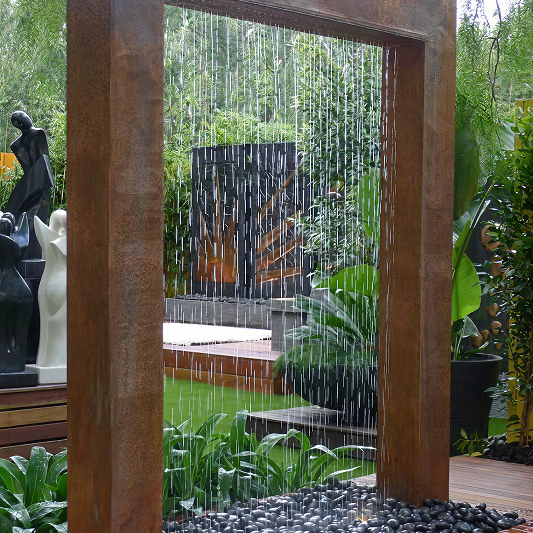
Elevate your garden with a DIY vertical garden. Our guide covers everything you need to know to build a thriving “how to make a vertical garden” at home.
Living in New Zealand often means balancing a love for nature with limited outdoor space. Many homeowners struggle with small balconies or compact courtyards that feel too cramped for traditional planting. Fortunately, you can transform these tight areas into lush, vibrant displays using clever design techniques.
Learning how to make a vertical garden is the perfect solution for maximizing your living environment. These living walls breathe life into dull fences and bare walls while improving your home’s air quality. Whether you reside in a bustling city apartment or a cozy suburban house, this approach offers a fresh way to grow your favorite plants.

This guide covers everything you need for success, from initial planning to long-term care. We will explore plant selection tailored for our unique climate and aesthetic styles. You will feel inspired and prepared to start your own green wall project by the time you finish reading.
Key Takeaways
- Maximize limited space by utilizing wall areas for greenery.
- Select plant species that thrive in your specific local climate.
- Plan your structural support carefully to ensure long-term stability.
- Implement efficient irrigation systems to keep your plants healthy.
- Follow consistent maintenance routines for a flourishing display.
Understanding the Benefits of Vertical Gardening
Embracing vertical gardening ideas can turn even the smallest balcony into a green sanctuary. By shifting your focus from the ground up, you unlock potential in areas that were previously ignored. This approach allows you to cultivate a vibrant garden without needing a sprawling backyard.
Maximizing Small Spaces in New Zealand Homes
Many residents in cities like Auckland or Wellington face the challenge of limited outdoor areas. Small space gardening NZ provides a clever solution for those living in apartments or townhouses. By utilizing walls and railings, you can grow a variety of plants without sacrificing your precious floor space.
This method is perfect for narrow patios where traditional pots would simply get in the way. You can stack planters or install wall-mounted systems to create a lush, vertical display. It is a highly efficient way to bring nature into your home, regardless of how tight your living quarters might be.
Improving Air Quality and Mental Well-being
Beyond the physical space, urban gardening New Zealand enthusiasts often report significant health improvements. Plants act as natural air filters, effectively removing common indoor pollutants and releasing fresh oxygen. This creates a cleaner, more breathable environment for you and your family.
Furthermore, spending time with your plants offers a peaceful escape from the busy city life. Engaging with nature has been shown to lower stress levels and boost your overall mood. Creating a living wall is not just about aesthetics; it is a powerful way to nurture your mental health every single day.
Selecting the Best Location for Your Vertical Garden
Planning the placement of your garden is a vital step for any urban gardening New Zealand enthusiast. The right spot ensures your plants receive the energy they need to grow while protecting them from harsh weather conditions. Taking time to observe your environment now will save you from major headaches later.
Video source from youtube
Assessing Sunlight Exposure and Wind Patterns
Most plants require at least six hours of direct sunlight to thrive. You should monitor your chosen wall throughout the day to see how shadows shift across the surface. Remember that a north-facing wall in New Zealand typically receives the most consistent light, which is perfect for sun-loving herbs.
Wind is another critical factor for small space gardening NZ projects. Strong gusts can dry out soil quickly and even damage delicate foliage. If your site is exposed, consider installing a windbreak or choosing hardy, native species that can withstand the breeze.
Access to Water Sources and Drainage Considerations
Efficiency is the hallmark of sustainable gardening NZ practices. You want your garden to be close to a tap or rain barrel to make watering a simple, daily task. Carrying heavy cans across the yard often leads to neglected plants, so proximity is key.
Proper drainage is equally important to prevent root rot and structural damage to your walls. Ensure that excess water has a clear path to flow away from the building foundation. Using a tray system or specialized fabric can help manage runoff effectively.
| Location Factor | Ideal Condition | Why It Matters |
|---|---|---|
| Sunlight | 6+ hours daily | Promotes healthy growth |
| Wind | Sheltered area | Prevents dehydration |
| Water Access | Near a tap | Ensures consistent care |
| Drainage | Sloped or trayed | Protects wall integrity |
Choosing the Right Plants for Your Vertical Setup
Creating a lush wall of life starts with picking the perfect plant species. Selecting the best plants for vertical gardens is the most important step to ensure your installation remains healthy and vibrant throughout the seasons. By choosing varieties that naturally thrive in confined spaces, you set yourself up for long-term success.
Selecting Native New Zealand Ferns and Foliage
New Zealand offers a stunning array of native plants that are perfectly adapted to our unique climate. Incorporating hardy ferns like the Silver Fern or Ponga adds a distinct local character to your wall. These species are naturally resilient and often prefer the filtered light conditions found in many vertical setups.
Foliage plants provide a lush, green backdrop that stays attractive year-round. When you choose native options, you often find they require less maintenance than exotic varieties. They are well-suited to the specific humidity levels found in many Kiwi homes and gardens.
Incorporating Edible Herbs and Vegetables
If you want your wall to be as functional as it is beautiful, consider starting a vertical vegetable garden. Many herbs, such as mint, parsley, and chives, grow exceptionally well in small containers or pockets. These plants provide fresh ingredients right at your fingertips while adding a wonderful fragrance to your space.
Leafy greens like lettuce and spinach also thrive in vertical systems with proper soil depth. Ensure your chosen herbs receive enough sunlight, as most edible varieties need at least six hours of direct light daily. A well-planned edible wall can significantly reduce your grocery bill while providing organic produce.
Matching Plant Needs to Vertical Orientation
Understanding the light and water requirements of your plants is essential for an indoor vertical garden or an outdoor feature. Plants placed at the top of a wall often dry out faster than those at the bottom due to gravity and drainage. You should group plants with similar water needs together to simplify your maintenance routine.
Consider the orientation of your wall when selecting your greenery. A north-facing wall in New Zealand will receive intense sun, requiring drought-tolerant species. Conversely, a south-facing wall is better suited for shade-loving ferns and mosses.
| Plant Type | Light Preference | Water Needs | Best Use |
|---|---|---|---|
| Native Ferns | Shade/Filtered | High | Outdoor Walls |
| Culinary Herbs | Full Sun | Moderate | Kitchen Access |
| Leafy Greens | Partial Shade | Consistent | Edible Walls |
| Succulents | Full Sun | Low | Indoor Decor |
Essential Tools and Materials for Construction
Creating a stunning DIY garden wall requires more than just plants; it demands high-quality hardware and reliable materials. Because your garden will hold heavy, wet soil, you must prioritize structural integrity from the very beginning. Investing in the right gear ensures your project remains safe and beautiful for years to come.

Selecting Durable Frames and Mounting Hardware
Successful vertical garden construction relies on choosing materials that can withstand New Zealand’s unique weather patterns. You should look for rot-resistant timber, such as cedar, or powder-coated steel frames that resist rust. These materials provide the necessary strength to support the weight of mature plants and saturated potting mix.
When attaching your structure to a wall, always use heavy-duty mounting hardware. Stainless steel screws and anchors are essential to prevent corrosion over time. Always ensure your wall surface is solid enough to support the total weight of the system once it is fully watered.
Choosing the Right Growing Medium for Vertical Containers
The soil you choose for your wall-mounted garden systems is just as important as the frame itself. Standard garden soil is often too heavy and can compact, which restricts root growth and adds unnecessary strain to your wall. Instead, opt for a high-quality, lightweight potting mix specifically designed for containers.
A good vertical mix should include ingredients like perlite or vermiculite to improve aeration and drainage. These components help retain moisture while preventing the soil from becoming waterlogged. You can also add coconut coir to help the medium hold water more effectively during dry spells.
To get started, make sure you have these essential tools on hand:
- Power drill with appropriate bits for your wall type.
- Level to ensure your garden is perfectly straight.
- Measuring tape for precise spacing of your containers.
- Staple gun for securing landscape fabric or felt liners.
- Safety goggles and gloves for protection during assembly.
How to Make a Vertical Garden Using Pallets
Creating a vertical garden from pallets is a rewarding project that transforms discarded timber into a living masterpiece. This approach is an eco-friendly way to add greenery to your backyard while keeping costs low. Learning how to make a vertical garden using these sturdy structures allows you to maximize your space effectively.
Preparing and Treating Recycled Timber
Before you begin your vertical garden construction, you must ensure the wood is safe for your plants. Many pallets are treated with chemicals that can leach into the soil, so look for those stamped with “HT” for heat-treated. Sand down any rough edges to prevent splinters and apply a non-toxic, eco-friendly wood preservative to protect the timber from New Zealand’s damp climate.
Securing Landscape Fabric for Soil Retention
To turn your pallet into a functional DIY garden wall, you need to create secure pockets for your plants. Staple heavy-duty landscape fabric to the back, bottom, and sides of each pallet slat. This creates a sturdy pouch that holds the soil firmly in place while allowing excess water to drain away, which is essential for preventing root rot.
Step-by-Step Planting Techniques for Pallet Gardens
Once your structure is ready, follow this simple pallet garden tutorial to get started. Lay the pallet flat on the ground and fill the pockets with a high-quality, lightweight potting mix. Start planting from the bottom row and work your way up, ensuring each plant is tucked snugly into the fabric.
After planting, keep the pallet in a horizontal position for a few weeks. This allows the roots to establish themselves before you lift the unit into its final vertical position. Regular watering is key during this initial phase to ensure your new garden thrives in its upright home.
Building a Pocket-Style Vertical Garden
Pocket-style vertical gardens offer a soft and flexible way to transform your walls into living art. These systems are perfect for homeowners who want a lightweight and versatile solution for their indoor or outdoor spaces. By utilizing fabric or felt pouches, you can create a lush, dense display of foliage in a very short amount of time.

Installing Felt or Fabric Pocket Systems
The beauty of this vertical planter design lies in its simplicity. You can easily mount these fabric systems onto various surfaces, such as timber fences, brick walls, or even interior plasterboard. It is essential to use rust-proof screws and washers to ensure the pockets remain secure against the wall, especially when they are heavy with wet soil.
When installing on a fence, consider adding a waterproof backing sheet to protect the wood from constant moisture. This simple step prevents rot and extends the life of your garden structure. Once the frame is secure, you can simply slide your plants into the pockets, ensuring they are snug and well-supported.
Ensuring Proper Irrigation for Pocket Planters
Because fabric pockets are exposed to air on all sides, they tend to dry out much faster than traditional pots. Implementing an efficient vertical garden irrigation system is crucial for keeping your plants healthy and vibrant. A drip irrigation setup is often the most effective way to deliver consistent moisture directly to the root zone of each plant.
If you prefer a manual approach, ensure you water the top pockets first, allowing the excess moisture to trickle down to the lower levels. This gravity-fed method helps conserve water while ensuring that every plant receives adequate hydration. Regular monitoring is key to maintaining a thriving, lush display throughout the warmer months.
| Surface Type | Mounting Method | Moisture Protection |
|---|---|---|
| Timber Fence | Stainless Steel Screws | Plastic Backing Sheet |
| Brick Wall | Masonry Anchors | Sealed Waterproofing |
| Interior Wall | Wall Plugs | Moisture Barrier Film |
Designing a Modular Wall-Mounted System
Transform your blank walls into lush displays with versatile modular wall-mounted systems. These setups offer the ultimate flexibility, allowing you to rearrange your plants whenever you desire a fresh look. By choosing this approach, you can easily experiment with various vertical gardening ideas to suit your changing tastes throughout the seasons.
Mounting Individual Pots and Containers
Successful vertical planter design relies on secure and reliable mounting hardware. You can use heavy-duty hooks, rails, or specialized brackets to attach individual pots directly to your wall surface. Always ensure that your chosen hardware can support the weight of the pot, the damp soil, and the mature plant.
For a clean look, consider using a grid system or a track rail. These allow you to slide containers into different positions without needing to drill new holes in your wall. This method is particularly effective for an indoor vertical garden where you want to protect your interior surfaces while maintaining a professional finish.
“A vertical garden is not just a collection of plants; it is a living canvas that breathes life into the architecture of your home.”
Creating Aesthetic Arrangements and Patterns
When designing your display, think about the visual impact of your plant choices. You can create stunning effects by mixing different leaf textures, vibrant colors, and varying growth habits. Using wall-mounted garden systems allows you to treat your plants like pieces of art, balancing symmetry with organic growth.
Consider the following table to help you plan your arrangement for maximum visual appeal:
| Plant Type | Visual Feature | Placement Strategy |
|---|---|---|
| Trailing Ivy | Soft, cascading texture | Top or middle rows |
| Succulents | Geometric, bold shapes | Center focal points |
| Ferns | Lush, feathery foliage | Lower, shaded areas |
| Flowering Herbs | Bright pops of color | Interspersed throughout |
Always remember to leave enough space between containers to allow for healthy airflow. Proper spacing prevents overcrowding and ensures that each plant receives adequate light. By following these simple design principles, you will create a thriving, beautiful display that reflects your personal style.
Implementing Efficient Irrigation Systems
A consistent water supply is the backbone of any successful vertical garden irrigation setup. In New Zealand, our summer sun can be quite intense, often drying out wall-mounted containers faster than traditional garden beds. Providing a steady flow of moisture ensures your plants remain vibrant and healthy throughout the growing season.
Setting Up Drip Irrigation for Vertical Walls
Installing a drip system is the most effective way to maintain a vertical vegetable garden without daily manual labor. You can start by running a main supply line along the top of your structure, connecting it to a standard outdoor tap with a battery-operated timer. This allows you to automate watering schedules, ensuring your plants receive exactly what they need at the right time.
Small micro-tubing should branch off from the main line to reach each individual pot or pocket. Precision is key here; place an adjustable emitter directly into the soil of every container to deliver water straight to the root zone. This method minimizes evaporation and keeps the foliage dry, which helps prevent common fungal diseases.
Managing Water Runoff and Preventing Wall Damage
When you water vertically, gravity will naturally pull excess moisture downward. If left unmanaged, this runoff can stain your siding or cause long-term structural damage to your home. Installing a waterproof backing, such as a heavy-duty pond liner or plastic sheeting, between your garden frame and the wall is a crucial protective measure.
For the base of your setup, consider adding a collection tray or a gutter system to catch any drainage. This simple addition prevents water from pooling on your deck or patio surface. By effectively capturing and redirecting this runoff, you protect your home while keeping your thriving vertical vegetable garden looking its absolute best.
Maintenance Tips for a Thriving Vertical Garden
Maintaining a thriving vertical garden in New Zealand is easier than you might think with the right approach. While the initial setup is exciting, consistent care is the true secret to keeping your living wall looking lush and vibrant throughout the changing seasons. By dedicating a small amount of time each week, you can ensure your plants remain healthy and beautiful.
Pruning and Fertilizing for Optimal Growth
Regular pruning is essential to prevent your garden from becoming overgrown or leggy. When you trim back foliage, you encourage the plant to direct its energy into new, healthy growth rather than maintaining old stems. This practice is particularly important when you have chosen the best plants for vertical gardens that are known for rapid spreading.
Fertilizing provides the necessary nutrients that container-grown plants often lack. Because vertical systems have limited soil volume, nutrients can wash away quickly during watering. Using a high-quality, organic liquid fertilizer supports vigorous development and keeps your greenery looking its best. Adopting these habits is a core part of sustainable gardening NZ practices, as it reduces the need for plant replacements.
Monitoring for Pests and Disease in Dense Plantings
Dense plantings create a unique microclimate that can sometimes attract unwanted visitors. Because plants are positioned close together, pests like aphids or spider mites can spread rapidly if left unchecked. You should inspect your wall at least once a week to catch any early signs of trouble.
Effective vertical garden maintenance relies on your ability to observe changes in leaf color or texture. If you notice yellowing leaves or sticky residue, act quickly to isolate the affected area. Keeping your garden clean and well-ventilated will significantly lower the risk of fungal diseases. Consider these simple steps to keep your garden thriving:
- Weekly Inspection: Check the undersides of leaves for small insects or webbing.
- Proper Airflow: Ensure your mounting system allows for adequate air circulation between plants.
- Prompt Removal: Immediately prune away any dead or diseased foliage to protect the rest of the wall.
- Balanced Watering: Avoid over-saturating the soil, which can lead to root issues in dense arrangements.
Common Mistakes to Avoid When Building Vertically
Your dream of a lush vertical wall can quickly turn into a headache if you ignore basic structural and drainage rules. Learning how to make a vertical garden is a rewarding process, but it requires attention to detail to ensure your setup remains safe and healthy over time.
Preventing Structural Failure and Overloading
One of the most frequent errors involves underestimating the total weight of a saturated garden. Wet soil and mature plants are significantly heavier than they appear, which can lead to wall damage or collapse.
- Always verify that your wall or fence can support the combined weight of the frame, soil, and water.
- Use high-quality, heavy-duty mounting hardware rather than standard nails or light screws.
- Distribute the weight evenly across multiple anchor points to prevent stress fractures in your structure.
If you are following a pallet garden tutorial, ensure the timber is structurally sound before mounting it. Rotting wood will not hold the weight of a thriving garden for long, especially in the humid New Zealand climate.
Avoiding Poor Drainage and Root Rot Issues
Water management is the backbone of a successful vertical installation. Without proper drainage, water collects at the bottom of containers, leading to stagnant conditions that kill plant roots.
You must ensure every container or pocket has a clear exit point for excess moisture. Root rot is a silent killer that often goes unnoticed until the foliage begins to yellow and wilt.
To keep your plants thriving, incorporate these practices into your vertical garden maintenance routine:
- Use a lightweight, well-draining potting mix rather than heavy garden soil.
- Check that drainage holes are not blocked by roots or debris after every season.
- Consider using a moisture-wicking fabric to help distribute water evenly throughout the vertical system.
By avoiding these common pitfalls, you protect your investment and ensure your vertical display remains a vibrant feature of your home. A little extra care during the construction phase saves you from major repairs later.
Conclusion
Building a vertical garden turns empty walls into vibrant, living art pieces. This project brings the beauty of nature directly into your home while making the most of limited square footage in New Zealand properties.
You now possess the knowledge to select the right plants, build sturdy structures, and manage irrigation effectively. These skills allow you to create a lush environment that thrives throughout the changing seasons.
Success relies on your commitment to regular care and observation. Watch your plants closely to ensure they receive the nutrients and water required for healthy growth. Small adjustments to your routine lead to a flourishing display that improves your air quality and personal well-being.
Take the first step toward your own green wall today. Share your progress with local gardening communities or post photos of your setup to inspire others. Your journey toward a greener, more sustainable home starts with a single container or frame.