
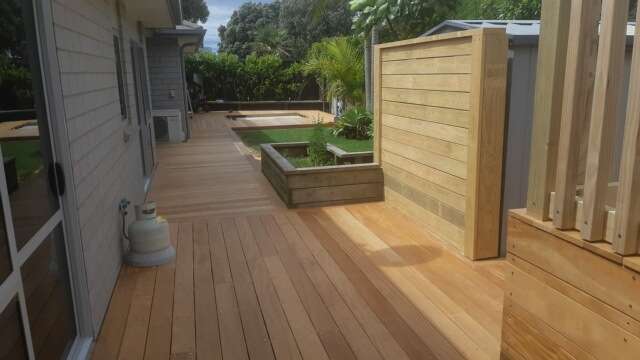
Build a thriving raised garden bed on a slope in your New Zealand yard with our easy-to-follow guide.
Many homeowners across our beautiful country dream of creating a lush, productive oasis. However, managing uneven terrain often feels like a daunting task for those new to New Zealand gardening. Transforming a steep patch of land into a functional space offers unique rewards, including better drainage and improved access to your plants.

Embracing slope gardening allows you to maximize every square meter of your property. By installing a raised garden bed, you can effectively level the ground while preventing soil erosion. This approach to hillside gardening turns difficult landscapes into stunning, tiered features that thrive in our local climate.
Key Takeaways
- Terracing helps manage water runoff and prevents soil loss.
- Raised structures provide better drainage for native plants.
- Proper planning ensures your site remains stable over time.
- Using local materials reduces costs and environmental impact.
- Vertical space creates a visually appealing focal point.
Assessing Your Slope and Planning the Layout
A thorough slope assessment is essential for a successful raised garden bed project. Before you begin construction, understanding the characteristics of your slope is crucial for planning a layout that is both functional and aesthetically pleasing.
The first step in assessing your slope is to evaluate its stability and drainage characteristics. This involves understanding soil stability and how water moves through the soil.
Understanding Soil Stability and Drainage
Soil stability is critical on slopes because unstable soil can lead to erosion and structural issues with your raised bed. You need to assess the soil type and its drainage capabilities. Soils with high clay content may retain too much water, leading to instability, while sandy soils may drain too quickly, potentially causing drought stress for plants.
To improve soil stability and drainage, you may need to amend the soil with organic matter like compost. This not only enhances the soil’s water-holding capacity but also improves its structure, making it more conducive to root growth.
Choosing the Best Orientation for New Zealand Sun
The orientation of your raised bed is vital for maximizing sunlight exposure, especially in New Zealand’s temperate climate. Most vegetables and flowering plants require at least 6 hours of direct sunlight per day. Therefore, it’s essential to choose an orientation that captures the sun’s rays effectively.
In the Southern Hemisphere, a north-facing slope receives the most sunlight throughout the day. If your slope faces a different direction, you may need to adjust the layout of your raised bed to ensure it receives sufficient sunlight.
Measuring the Gradient for Structural Integrity
Measuring the gradient of your slope is necessary to determine the structural requirements of your raised bed. A steeper slope may require more robust construction to prevent soil erosion and ensure the bed remains stable.
You can measure the gradient using a level and a measuring tape. By determining the angle of the slope, you can plan the size and design of your raised bed accordingly. For steeper slopes, terracing may be necessary to create a stable and level surface.
Essential Tools and Materials for Sloped Terrain
Before starting your project, it’s vital to understand the essential tools and materials required for a raised garden bed on sloped terrain. The right equipment will not only make the construction process smoother but also ensure the longevity and stability of your garden bed.
Selecting Rot-Resistant Timber Options
When it comes to building a raised garden bed on a slope, the type of timber you choose is critical. You’ll want to select timber that is resistant to rot and can withstand the elements. Some of the best options include:
- Macrocarpa: Known for its durability and resistance to decay.
- Redwood: Naturally resistant to rot and insects.
- Treated Pine: A cost-effective option that is treated to resist rot and insect damage.
It’s also worth considering recycled or reclaimed timber, not only for its environmental benefits but also for its unique character.
Video source from youtube
Hardware and Fasteners for Uneven Ground
The hardware and fasteners you use must be capable of withstanding the stresses of uneven ground. Look for:
- Galvanized or Stainless Steel Screws: These resist corrosion and provide strong holding power.
- Heavy-Duty Brackets: Essential for securing the frame of your raised bed, especially on steep slopes.
- Adjustable Post Anchors: Useful for leveling the bed and securing it to the ground.
Using the right hardware will ensure your raised bed remains stable and secure over time.
Safety Gear and Excavation Equipment
Safety should always be your top priority when working on a construction project. Essential safety gear includes:
- Steel-Toed Boots: Protect your feet from heavy objects and tools.
- Gloves: Provide grip and protection for your hands.
- Safety Glasses: Protect your eyes from debris.
For excavation, you may need:
- A Shovel or Spade: For digging and moving soil.
- A Wheelbarrow: For transporting soil and other materials.
- A Level: To ensure your bed is properly aligned.
By equipping yourself with the right tools and safety gear, you’ll be well-prepared to tackle your raised garden bed project.
Preparing the Ground for a Level Foundation
To ensure the longevity and stability of your raised garden bed, proper ground preparation is essential. This step is crucial in creating a level foundation that will support the structure and promote healthy plant growth.
Clearing Vegetation and Debris
The first task in preparing the ground is to clear the area of any vegetation and debris. This involves removing weeds, rocks, and any other obstacles that could interfere with the construction process or the stability of the raised bed.
Effective clearing techniques include:
- Using a weed killer to eliminate unwanted vegetation
- Manually removing weeds and debris
- Utilizing machinery such as a brush cutter for larger areas
Techniques for Cutting into the Hillside
When building on a slope, it may be necessary to cut into the hillside to create a level area. This requires careful planning and execution to avoid soil erosion and ensure stability.
Key considerations include:
- Assessing the soil type and stability
- Using appropriate cutting techniques to minimize erosion
- Implementing temporary support measures if necessary
Managing Soil Erosion During Construction
Soil erosion is a significant risk during the construction of a raised garden bed on a slope. Effective management strategies are crucial to prevent soil loss and maintain the integrity of the surrounding landscape.
Strategies for managing soil erosion include:
- Using geotextile fabrics to stabilize the soil
- Implementing terracing or other soil retention methods
- Planting groundcover or other stabilizing vegetation
How to Build a Raised Garden Bed on a Slope
With the right techniques, you can successfully build a raised garden bed on a slope, enhancing your outdoor space. The key to a successful project lies in understanding the unique challenges posed by sloped terrain and applying appropriate construction methods.
Constructing the Frame on Uneven Surfaces
When building on a slope, the first challenge is to create a level frame for your raised bed. This involves assessing the gradient and deciding how to adjust the frame’s design accordingly. You may need to use adjustable legs or stepped sections to accommodate the slope.
The frame should be sturdy and made from materials resistant to rot and insect damage, such as cedar or recycled plastic. Ensure that the corners are securely fastened and the frame is level, using a spirit level to check for accuracy.
Using Terracing Methods for Steeper Gradients
For steeper slopes, terracing is an effective method to create flat areas for gardening. This involves creating multiple level areas, or terraces, that step down the slope. Each terrace can support a raised bed, maximizing the usable space.
Terracing requires careful planning to ensure stability. The retaining walls between terraces must be securely built, often using stone, wood, or composite materials. It’s also crucial to consider drainage to prevent water accumulation behind the retaining walls.
| Terracing Method | Materials Needed | Benefits |
|---|---|---|
| Cut into the hillside | Shovel, pickaxe, timber or stone for retaining walls | Creates a stable, level area |
| Build retaining walls | Timber, stone, or composite materials, drainage pipes | Prevents soil erosion, allows for multiple terraces |
| Use geotextiles | Geotextile fabric, gravel or soil | Enhances stability, reduces erosion |
Securing the Bed to Prevent Downhill Sliding
Securing the raised bed to the slope is critical to prevent it from sliding downhill over time. This can be achieved by anchoring the bed to the ground using deep footings or by attaching it to a stable structure, such as a retaining wall.
For added stability, consider using ground anchors or deadmen (buried anchors) attached to the back of the raised bed frame. Regularly inspect the bed and its anchors to ensure they remain secure.

Installing Drainage and Soil Retention Systems
To ensure your sloped raised garden bed remains stable and productive, installing proper drainage and soil retention systems is essential. This involves several key steps that help prevent waterlogging, soil erosion, and other issues that can compromise the health of your garden.
Weed Control with Geotextile Fabric
One of the first steps in ensuring the longevity of your raised bed is to add a layer of geotextile fabric. This permeable fabric allows water to pass through while preventing weeds from growing up into your garden bed. It’s a simple yet effective method for reducing maintenance and improving soil retention.
Internal Drainage Layers
Creating internal drainage layers is crucial for preventing waterlogging in your raised bed. This can be achieved by incorporating a layer of coarse material, such as gravel or broken bricks, at the bottom of the bed. This layer allows excess water to drain away from the roots of your plants, reducing the risk of root rot and other problems associated with poor drainage.
Backfilling with Quality Garden Soil
Once your drainage and soil retention systems are in place, it’s time to backfill your raised bed with quality garden soil. The soil you choose should be well-draining and rich in organic matter to support healthy plant growth. Avoid using soil from your existing slope, as it may be prone to compaction or erosion. Instead, opt for a mix specifically designed for raised garden beds.
By following these steps, you can create a raised garden bed on a slope that is not only beautiful but also functional and sustainable. Proper drainage and soil retention are key to enjoying a thriving garden for years to come.
Choosing the Right Plants for Sloped Garden Beds
The success of your sloped raised garden bed largely depends on choosing the right plants that can thrive in the unique conditions it presents. A well-planned plant selection not only enhances the aesthetic appeal of your garden but also ensures its long-term sustainability.
Native New Zealand Species
Selecting native New Zealand species is an excellent strategy for sloped garden beds. These plants are naturally adapted to the local climate and soil conditions, requiring less maintenance and care. Some popular native species include:
- Kowhai (Sophora spp.): Known for its vibrant yellow flowers and ability to attract native birds.
- Flax (Phormium spp.): Offers striking foliage and is highly adaptable to different soil types.
- Hebe: Provides a range of flowering options and is generally low maintenance.

Vegetables That Thrive in Raised Beds
Raised beds, even on slopes, can be highly productive for vegetable gardening. Some vegetables are particularly well-suited for these conditions:
- Leafy Greens: Lettuce, kale, and spinach thrive in the good drainage and aeration that raised beds provide.
- Tomatoes and Peppers: These popular garden vegetables benefit from the warmer soil temperatures in raised beds.
- Carrots and Radishes: The loose, well-draining soil in raised beds is ideal for root vegetables.
Managing Water Distribution Across the Slope
Effective water distribution is critical in sloped garden beds to prevent erosion and ensure that all plants receive adequate moisture. Here are some strategies:
- Drip Irrigation: Delivers water directly to the roots of plants, reducing runoff and evaporation.
- Terracing: Helps to slow down water flow, giving it more time to infiltrate the soil.
- Organic Mulch: Applying a layer of organic mulch can help retain soil moisture and reduce erosion.
Maintaining Your Raised Bed Throughout the Seasons
Maintaining a raised garden bed on a slope requires careful attention to ensure it remains healthy and productive throughout the seasons. Regular checks and adjustments are necessary to prevent issues such as soil erosion and nutrient depletion.
One of the critical aspects of maintaining a raised bed is monitoring soil moisture and erosion. Soil on slopes can be prone to erosion, especially during heavy rainfall. Checking the soil regularly for signs of moisture stress or erosion can help in taking timely corrective measures.
Monitoring Soil Moisture and Erosion
To monitor soil moisture, you can use a simple moisture meter or the finger test. If the soil feels dry to the touch, it’s time to water. Erosion can be mitigated by ensuring the soil is covered with plants or mulch. Geotextile fabric can also be used under the soil to prevent weed growth and stabilize the soil.
| Method | Description | Benefits |
|---|---|---|
| Moisture Meter | A device that measures the moisture level in the soil. | Accurate readings, easy to use. |
| Finger Test | Inserting a finger into the soil to check moisture. | Simple, no additional cost. |
| Geotextile Fabric | A permeable fabric used to stabilize soil and prevent weed growth. | Reduces erosion, suppresses weeds. |
Seasonal Maintenance and Structural Checks
Seasonal maintenance involves checking the structural integrity of the raised bed. This includes inspecting the wooden frames for rot or damage and ensuring that the bed remains level and secure on the slope.
Regular inspections can help identify potential issues before they become major problems. For example, checking for signs of pest infestation or disease can prevent the spread and protect your plants.
Fertilizing and Mulching for Optimal Growth
Fertilizing and mulching are crucial for maintaining soil health and promoting optimal plant growth. Using organic fertilizers can enhance soil fertility without causing harm to the environment.
Mulching helps retain soil moisture, suppress weeds, and regulate soil temperature. Organic mulches like bark chips or straw are effective and easy to apply.
By following these maintenance tips, you can ensure your raised garden bed on a slope remains a thriving and productive part of your garden throughout the seasons.
Common Challenges and How to Overcome Them
Raised garden beds on slopes offer a great way to maximize space, yet they require careful planning to overcome potential issues. Gardeners may face several common challenges, including managing heavy rainfall and runoff, addressing pest issues that can arise in elevated beds, and reinforcing the walls of the raised bed after extreme weather events. Understanding these challenges is crucial to maintaining a healthy and productive garden.
Dealing with Heavy Rainfall and Runoff
Heavy rainfall can be particularly challenging for raised beds on slopes, as it can lead to soil erosion and waterlogging.
To mitigate these effects, consider installing a drainage system or using mulch and geotextile fabrics to stabilize the soil.
Addressing Pest Issues in Elevated Beds
Elevated garden beds can be more susceptible to certain pests due to their height and improved drainage.
Using natural pest control methods, such as introducing beneficial insects or practicing companion planting, can be effective. As one gardening expert notes,
“Companion planting is a powerful tool in organic gardening, allowing gardeners to naturally deter pests and promote healthy growth.”
Reinforcing Walls After Extreme Weather
Extreme weather events can put significant stress on the structure of raised garden beds, particularly those on slopes.
Regular inspections and maintenance are key to identifying and addressing any damage. Using durable materials and ensuring the bed is properly secured to the ground can help prevent damage.
Enhancing the Aesthetics of Your Hillside Garden
Elevating your garden’s visual appeal on a slope involves more than just planting flowers; it’s about creating an inviting outdoor space. A well-designed hillside garden can significantly enhance your property’s beauty and value.
Integrating Paths and Access Steps
One of the key elements in enhancing your hillside garden’s aesthetics is the integration of paths and access steps. These not only improve accessibility but also add visual interest to the garden. Meandering paths can encourage exploration, while strategically placed steps can create a sense of journey through the garden.
When designing paths, consider using materials that complement the natural surroundings, such as natural stone or gravel. These materials blend seamlessly into the landscape and provide a rustic charm.
Using Decorative Stones and Edging
Decorative stones and edging can significantly enhance the visual appeal of your hillside garden. Decorative stones can be used to create beautiful borders, pathways, or even as a ground cover in certain areas. They come in a variety of colors and textures, allowing you to choose the ones that best suit your garden’s design.
Edging is another crucial element that helps define different areas within the garden, creating a clean and polished look. Materials like metal, brick, or stone can be used for edging, each offering a unique aesthetic.
“The use of decorative stones and thoughtful edging can transform a hillside garden into a stunning visual masterpiece.”
Creating Vertical Interest with Climbing Plants
Climbing plants are an excellent way to add vertical interest to your hillside garden. They can be trained to climb up trellises, arbors, or even walls, adding depth and texture to the garden. Popular climbing plants include clematis, roses, and wisteria, which not only beautify the space but also attract pollinators.
When selecting climbing plants, consider their growth habits and maintenance requirements to ensure they thrive in your garden’s conditions. Proper care and training will help these plants flourish, enhancing the overall aesthetics of your hillside garden.
Conclusion
Building a raised garden bed on a slope can be a rewarding experience, allowing you to transform an otherwise challenging area into a productive and beautiful garden. By following the steps outlined in this article, you can create a thriving slope garden that not only enhances your outdoor space but also provides a bountiful harvest.
A well-designed raised bed on a slope offers numerous benefits, including improved drainage, reduced soil erosion, and increased accessibility. As you’ve learned, assessing your slope, choosing the right materials, and implementing effective drainage and soil retention systems are crucial to a successful slope gardening project.
In New Zealand’s temperate climate, slope gardens can be particularly productive, allowing you to grow a wide range of plants, from native species to vegetables and fruits. By applying the principles outlined in this article, you can enjoy a slope gardening summary: a beautiful, thriving garden that makes the most of your land.
As you embark on your raised garden bed conclusion, remember to monitor your garden’s progress, making adjustments as needed to ensure its continued success. With careful planning and maintenance, your slope garden will become a valuable and enjoyable part of your outdoor space.