
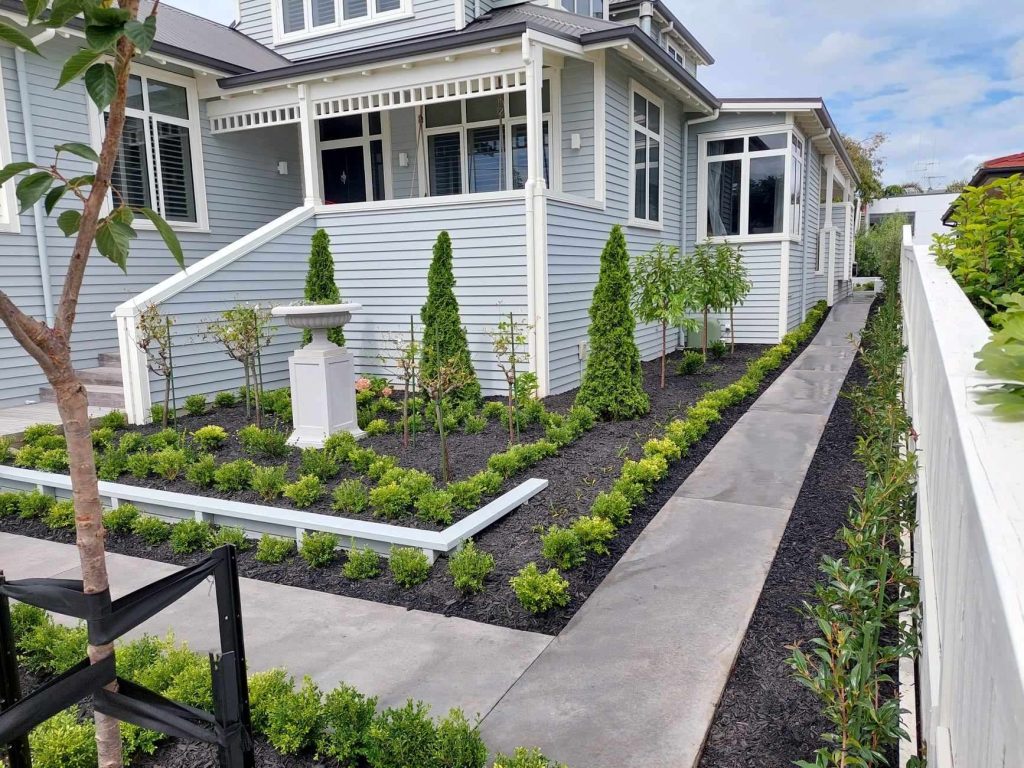
Learn the best ways to keep cats out of your garden and stop them from pooping.
Finding unwanted surprises among your prize-winning roses is a common frustration for many homeowners across New Zealand. It is incredibly disheartening when you spend hours weeding and planting, only for neighborhood felines to treat the area like a giant litter box. Maintaining a pristine outdoor space should be a joy, not a constant battle against local pets.
Fortunately, you can reclaim your backyard with a few simple, humane strategies. Learning how to stop cats pooping in your garden is easier than you might think. By understanding feline behavior and utilizing the right deterrents, you can protect your flower beds effectively.

This guide explores various methods, including natural barriers and effective cat repellent garden solutions. We will walk you through practical steps that keep your plants safe while remaining kind to animals. Let’s transform your landscape back into a peaceful sanctuary.
Key Takeaways
- Identify why felines are attracted to specific soil types.
- Use natural scents that discourage unwanted visitors.
- Install physical barriers to protect delicate seedlings.
- Select safe, non-toxic deterrents for your backyard.
- Create a long-term maintenance plan for a pet-free zone.
Understanding Why Cats Choose Your Garden
Cats often choose gardens as their litter boxes, but what makes your garden so appealing to them? To effectively deter cats from pooping in your garden, it’s crucial to understand the underlying reasons for their behavior.
The Appeal of Loose Soil and Mulch
Cats are naturally drawn to loose soil and mulch because they are easy to dig into. This is particularly true for cats that are accustomed to burying their waste. Gardens with freshly dug or mulched beds can become a cat’s favorite litter box. The loose texture allows them to easily dig and cover their feces, mimicking their natural instinct to bury waste.
Territorial Marking and Scent Signaling
Cats also use feces to mark their territory. By depositing their waste in your garden, they are signaling to other cats that this area belongs to them. This territorial marking is a form of communication among cats. Understanding this can help you devise strategies to discourage such behavior.
The Role of Garden Layout and Privacy
The layout and privacy of your garden can also contribute to its appeal to cats. Gardens that offer seclusion and are less frequented by humans are more likely to attract cats. Cats prefer areas where they can perform their natural behaviors without being disturbed.
To better understand the factors that attract cats to gardens, let’s examine a comparison of garden features that are most appealing to cats:
| Garden Feature | Why Cats Are Attracted | Deterrent Strategy |
|---|---|---|
| Loose Soil and Mulch | Easy to dig and bury waste | Use compacted soil or alternative mulch |
| Territorial Marking | To signal territory to other cats | Remove waste regularly, use deterrent sprays |
| Garden Layout and Privacy | Offers seclusion and less human disturbance | Increase garden traffic, use motion-activated devices |
By understanding these factors, you can take the first step towards making your garden less appealing to cats looking for a litter box.
How to Stop Cats Pooping in Your Garden Using Physical Barriers
One of the most effective ways to stop cats from using your garden as a litter box is by installing physical barriers. These barriers can deter cats without causing them harm, and they can be an essential part of your garden’s defense system.
Installing Chicken Wire or Garden Netting
Chicken wire or garden netting can be an effective physical barrier against cats. To install it, you will need to:
- Measure your garden beds to determine how much wire or netting you’ll need.
- Bury the wire or netting 6-8 inches underground to prevent cats from digging underneath.
- Secure the wire or netting with stakes to keep it in place.
Effectiveness: Chicken wire and garden netting work by making it difficult for cats to access the soil. Cats prefer soft, loose soil for digging and burying their waste, and these barriers make it harder for them to do so.
Using Prickly Plant Clippings and Mulch
Prickly plant clippings and certain types of mulch can also serve as a deterrent. Cats dislike the feeling of prickly surfaces under their paws, so using materials like holly clippings or thorny branches around plants can help keep them away.
Tips for Use: Spread a layer of prickly clippings or mulch around the perimeter of your garden beds. You can also mix it into the top layer of soil for added deterrent effect.
Strategic Placement of Garden Edging
Garden edging can be both functional and aesthetically pleasing. By choosing edging materials that are uncomfortable for cats to cross, such as stone or metal, you can create an additional barrier.
| Edging Material | Effectiveness | Aesthetic Appeal |
|---|---|---|
| Stone Edging | High | High |
| Metal Edging | High | Medium |
| Plastic Edging | Low | Medium |
By combining these physical barrier methods, you can effectively deter cats from pooping in your garden. It’s about creating an environment that is not conducive to their unwanted behavior.
Selecting Plants That Repel Cats Naturally
One effective way to protect your garden from cats is by selecting plants that naturally repel them. This approach not only deters cats but also enhances the aesthetic appeal of your garden. By incorporating plants known to repel cats, you can create a beautiful and cat-free outdoor space.
Coleus Canina: A Potent Cat Deterrent
Coleus Canina, also known as the “scaredy-cat plant,” is renowned for its ability to repel cats. This plant emits a strong odor that cats find unpleasant, making it an effective deterrent. Its effectiveness lies in its unique scent, which is often compared to the smell of urine, thereby deterring cats from approaching the area.
To maximize its effectiveness, Coleus Canina should be planted in areas where cats are most likely to enter or frequent. It’s also beneficial to combine it with other cat-deterrent plants for enhanced protection.
Lavender and Rosemary as Natural Deterrents
Lavender and rosemary are not only popular for their fragrance and culinary uses but also for their ability to deter cats. These plants have strong scents that cats find unappealing, making them ideal for garden borders or pots placed around the perimeter of your garden.
A study has shown that cats tend to avoid areas with strong herbal scents, supporting the use of lavender and rosemary as cat deterrents. Planting these in your garden can add beauty and functionality.
Incorporating Thorny Shrubs and Groundcovers
Thorny shrubs and groundcovers provide another layer of protection against cats. Plants like holly and barberry are not only beautiful but also uninviting to cats due to their prickly nature.
When selecting thorny plants, consider their growth habits and maintenance needs to ensure they fit well within your garden’s ecosystem. A combination of thorny shrubs and fragrant herbs can create a robust defense against cat intrusions.
| Plant | Type | Deterrent Effect |
|---|---|---|
| Coleus Canina | Perennial | Strong odor repels cats |
| Lavender | Shrub | Fragrance deters cats |
| Rosemary | Herb | Strong scent repels cats |
| Holly | Shrub | Thorny leaves deter cats |
As gardening expert,
“The right plants can transform your garden into a cat-free zone while enhancing its beauty and biodiversity.”
By carefully selecting and incorporating cat-deterrent plants, you can enjoy a more serene and protected outdoor space.
Utilizing Scent-Based Deterrents
Scent-based deterrents offer a humane and effective way to protect your garden from cat invasions. Cats have a highly developed sense of smell, and certain scents can be used to deter them from entering your garden.
Citrus Peels and Essential Oils
Cats detest the smell of citrus fruits. Using citrus peels or essential oils around the perimeter of your garden can be an effective deterrent. Simply scatter orange or lemon peels around the affected areas or mix a few drops of citrus essential oil with water and spray it around the garden.
Key benefits of using citrus peels and essential oils include:
If you're based in Tauranga or nearby areas like Papamoa or Omokoroa, it's important to consider how local conditions can impact your landscaping choices. From coastal weather to soil type, these factors play a big role in how well your outdoor space performs over time.
- Ease of application
- Non-toxic and environmentally friendly
- Pleasant aroma for humans
Video source from youtube
Coffee Grounds and Their Limitations
Coffee grounds are another scent-based deterrent that can be used to stop cats from digging in your garden. The strong smell of coffee can repel cats, but it’s essential to note that the effectiveness can vary depending on the cat and the freshness of the coffee grounds.
It’s also worth considering that coffee grounds can affect soil pH, so they should be used sparingly.
Commercial Repellent Sprays and Granules
For a more convenient solution, commercial repellent sprays and granules can be used. These products often contain a combination of natural ingredients that cats find unpleasant. When choosing a commercial repellent, look for products that are specifically designed for deterring cats and follow the manufacturer’s instructions.
Some popular commercial repellents include:
- Granular repellents that can be sprinkled around the garden
- Sprays that can be applied directly to plants or soil
- Motion-activated repellents that release a deterrent scent when triggered
Installing Motion-Activated Technology
To create a cat-proof garden, consider incorporating motion-activated technology that startles cats without causing them harm. This modern approach to garden protection is both effective and humane.
Motion-activated technology includes devices such as sprinklers and ultrasonic deterrents that are triggered by movement. These devices can be strategically placed around the garden to deter cats.
How Motion-Activated Sprinklers Work
Motion-activated sprinklers are designed to scare cats away with a sudden burst of water. When a cat enters the area covered by the sprinkler, its motion sensor detects the movement and activates the water spray.
Ultrasonic Deterrent Devices for Garden Protection
Ultrasonic deterrent devices emit a high-frequency sound undetectable to humans but unpleasant for cats. These devices can be placed around the perimeter of the garden to create an invisible barrier.
Placement Tips for Maximum Coverage
To maximize the effectiveness of motion-activated devices, it’s essential to place them correctly. Here are some tips:
| Device Type | Placement Tips |
|---|---|
| Motion-Activated Sprinklers | Place near plants you want to protect, ensuring coverage of the area. |
| Ultrasonic Deterrents | Position around the garden perimeter to create a barrier. |
By strategically installing motion-activated technology, you can effectively protect your garden from cats and maintain a beautiful, cat-free outdoor space.
Modifying Your Garden Maintenance Routine
Modifying your garden maintenance routine can be a simple yet effective way to deter cats from using your garden as their litter box. Cats are often attracted to gardens with loose soil and mulch, which make ideal spots for digging and burying their waste. By making a few strategic changes to your gardening habits, you can discourage cats from visiting your garden.
Keeping Soil Moist to Discourage Digging
Cats prefer dry, loose soil for digging. By keeping your soil consistently moist, you can make it less appealing to them. Regular watering not only benefits your plants but also deters cats from using your garden as a litter box. Consider installing a soaker hose or drip irrigation system to maintain the moisture levels in your soil.
Benefits of Moist Soil:
- Discourages digging
- Promotes healthy plant growth
- Reduces soil erosion
Removing Existing Waste to Break the Habit
Removing any existing cat waste from your garden is crucial in breaking the habit. Cats are attracted to the scent of their previous waste, so thorough cleanup is necessary. Wear gloves when handling waste, and dispose of it properly to prevent the spread of diseases.
Tips for Effective Cleanup:
- Use a mixture of water and vinegar to neutralize the scent
- Remove any visible waste and contaminated soil
- Replace the soil if necessary
Managing Compost Piles and Food Scraps
Cats may be attracted to compost piles or food scraps left in the garden. Ensure that your compost is properly managed by keeping it covered and balancing the carbon-to-nitrogen ratio. Avoid adding meat, dairy, or oily foods to your compost, as these can attract cats and other pests.
| Compost Management Tips | Benefits |
|---|---|
| Keep compost covered | Reduces pest attraction |
| Balance carbon-to-nitrogen ratio | Promotes healthy decomposition |
| Avoid adding meat, dairy, or oily foods | Minimizes attraction to pests |

Creating a Dedicated Cat Zone
Creating a cat-friendly zone in your garden can be a game-changer for both you and your feline visitors. By providing an alternative area for cats to relax and play, you can protect your garden from unwanted digging and mess.
A dedicated cat zone can be as simple or as elaborate as you like, but the key is to make it appealing to cats. This can be achieved by incorporating elements that cats find attractive, such as loose soil, plants, and hiding spots.
Designing a Sandbox for Neighborhood Cats
One effective way to create a cat zone is to design a sandbox specifically for neighborhood cats. Cats often prefer digging in loose, sandy soil, so providing a dedicated area for this activity can be a great deterrent for your main garden.
- Choose a spot that is partially shaded and has good drainage.
- Use a sandbox or create a sandy area with loose, fine-grained sand.
- Keep the sandbox clean and free of debris to encourage cats to use it.
Using Catnip and Silver Vine to Redirect Attention
Cats are highly sensitive to certain smells, and using catnip or silver vine can be an effective way to attract them to the dedicated cat zone. These plants contain nepetalactone, a natural chemical that stimulates cats’ senses and encourages them to roll, rub, and play.
Tips for using catnip and silver vine:
- Plant catnip or silver vine in the dedicated cat zone to create a cat-friendly atmosphere.
- Use dried catnip or silver vine leaves to create a cat-attracting scent.
- Replenish the plants or dried leaves regularly to maintain their potency.
The Benefits of Providing an Alternative Spot
By providing an alternative spot for cats to relax and play, you can enjoy several benefits, including:
- Reduced digging and mess in your main garden.
- A decrease in the number of cats visiting your garden, as they will be attracted to the dedicated cat zone.
- A safe and welcoming space for neighborhood cats to enjoy.
Overall, creating a dedicated cat zone is a humane and effective way to deter cats from pooping in your garden. By providing an alternative area for cats to relax and play, you can protect your garden and promote a positive relationship with your feline neighbors.
Working with Neighbors and Local Regulations
To effectively stop cats from using your garden as a litter box, it’s crucial to involve your neighbors and understand local regulations. This collaborative approach not only helps in addressing the immediate issue but also fosters a more harmonious community environment.
Approaching Neighbors About Their Pets
When approaching your neighbors about their pets, it’s essential to be respectful and considerate. Many pet owners are unaware of their cat’s outdoor activities, and a friendly conversation can often resolve the issue.
Start by introducing yourself and explaining the problem you’re experiencing. It’s helpful to have some potential solutions in mind, such as suggesting they keep their cat indoors or providing a litter box.
Key points to discuss with your neighbors:
- The impact of their cat’s behavior on your garden
- Potential solutions, such as keeping the cat indoors
- Alternative solutions, like creating a cat-friendly area
Understanding New Zealand Local Council Bylaws
New Zealand has various local council bylaws regarding pet ownership and animal control. Understanding these regulations can provide additional support for your efforts to stop cats from pooping in your garden.
For instance, some councils have specific rules about the number of cats allowed per household or requirements for cat owners to desex their pets.
| Council | Bylaw | Description |
|---|---|---|
| Auckland Council | Animal Control Bylaw | Regulates the number of cats per household |
| Wellington City Council | Animal Management Bylaw | Requires cat owners to microchip and desex their cats |
Promoting Responsible Pet Ownership in Your Community
Promoting responsible pet ownership is a proactive way to reduce the incidence of cats pooping in gardens. This can be achieved through community initiatives and education.
Organizing or participating in local pet care workshops can help raise awareness about the importance of proper pet care and the impact of outdoor cats on local wildlife and gardens.

By working together with your neighbors and understanding local regulations, you can create a more effective and sustainable solution to the problem of cats pooping in your garden.
Safe and Humane Deterrence Methods
The key to successfully deterring cats from your garden lies in using safe and humane deterrence methods. These approaches not only protect your garden but also ensure the well-being of the cats and other animals in your neighborhood.
Non-Toxic Deterrents
Avoiding harmful chemicals and traps is crucial for maintaining a safe environment for pets and wildlife. Instead, consider using non-toxic deterrents that discourage cats from entering your garden. Citrus peels and essential oils can be effective, as cats often dislike their strong scents.
Another method is to use physical deterrents like prickly plants or certain textures that cats find uncomfortable to walk on. Incorporating these into your garden design can help deter cats without causing them harm.
The Power of Positive Reinforcement
Positive reinforcement works better than punitive measures because it encourages desired behavior without causing stress or harm to the animals. By providing alternative areas for cats to dig or play, you can redirect their attention away from your garden. For example, creating a cat sandbox or a designated play area can be an effective strategy.
Pet-Friendly Neighborhoods
Maintaining a pet-friendly neighborhood environment is not just about deterring cats from your garden; it’s also about being a considerate neighbor. By working together with your community to implement humane deterrence methods, you can create a harmonious environment for both pets and gardeners.
Here’s a comparison of different deterrence methods:
| Method | Effectiveness | Humaneness |
|---|---|---|
| Citrus Peels | Moderate | High |
| Prickly Plants | High | High |
| Motion-Activated Sprinklers | High | High |
| Harmful Chemicals | Variable | Low |
By choosing humane deterrence methods, you’re not only protecting your garden but also contributing to a more compassionate community.
Troubleshooting Persistent Cat Problems
When cats refuse to stop pooping in your garden, troubleshooting your current methods is essential. Persistent cat problems can be frustrating, but by analyzing your current strategy and making adjustments, you can effectively deter cats from using your garden as a litter box.
Identifying Why Your Current Strategy Is Failing
The first step in troubleshooting is to identify why your current strategy isn’t working. Consider the type of deterrents you’re using and whether they’re suitable for the cats visiting your garden. For example, some cats may be more sensitive to certain smells or sounds than others. Assess the layout of your garden and check if there are any areas that are easily accessible or attractive to cats.
Inspect your garden regularly to understand cat behavior and preferences. Look for signs of cat activity, such as digging or scratching, and adjust your deterrents accordingly.
Combining Multiple Methods for Better Results
Using a single deterrent method may not be enough to stop cats from pooping in your garden. Combining multiple methods can be more effective. For instance, you can use physical barriers like chicken wire or garden netting in conjunction with scent-based deterrents such as citrus peels or commercial repellent sprays.
Consider creating a multi-layered defense system that includes a variety of deterrents. This could involve using motion-activated sprinklers, planting cat-repelling plants like Coleus Canina, and maintaining a clean and tidy garden to discourage cats from visiting.
When to Seek Professional Pest Control Advice
If you’ve tried various methods and still can’t stop cats from pooping in your garden, it may be time to seek professional pest control advice. Professionals can assess your specific situation and provide tailored solutions that are both humane and effective.
In New Zealand, there are regulations and guidelines governing pest control, so it’s essential to work with professionals who are aware of these regulations. They can help you implement a solution that not only deters cats but also respects local bylaws and promotes responsible pet ownership.
Conclusion
Protecting your garden from unwanted cat visits requires a combination of understanding feline behavior and implementing effective deterrents. By using a mix of physical barriers, scent-based deterrents, and motion-activated technology, you can create a cat proof garden that remains free from unwanted waste.
Modifying your garden maintenance routine and creating a dedicated cat zone can also help redirect neighborhood cats away from your prized plants. Working with your neighbors and understanding local regulations can further enhance your efforts to stop cats from pooping in your garden.
By applying these strategies, you can enjoy a beautiful and cat-free outdoor space. Implementing these solutions will not only improve the aesthetic appeal of your garden but also reduce the risk of health hazards associated with cat feces.
FAQ
Why do neighborhood cats keep choosing my garden as their personal litter box?
What are the most effective physical barriers to keep cats out of my flower beds?
Are there specific plants I can grow that will naturally repel cats?
Can I use household items like citrus peels or coffee grounds as deterrents?
How do motion-activated devices help protect my garden?
Does changing my garden maintenance routine really make a difference?
Should I consider creating a “cat zone” to save my main garden?
How should I handle the situation if the cat belongs to a neighbor?
Are these deterrence methods safe for the cats and the environment?
What should I do if my current deterrent strategy isn’t working?
If you're planning a landscaping project in Tauranga or the Bay of Plenty, get in touch with Brooks Landscapes to discuss your ideas and see how we can help bring your outdoor space to life.