
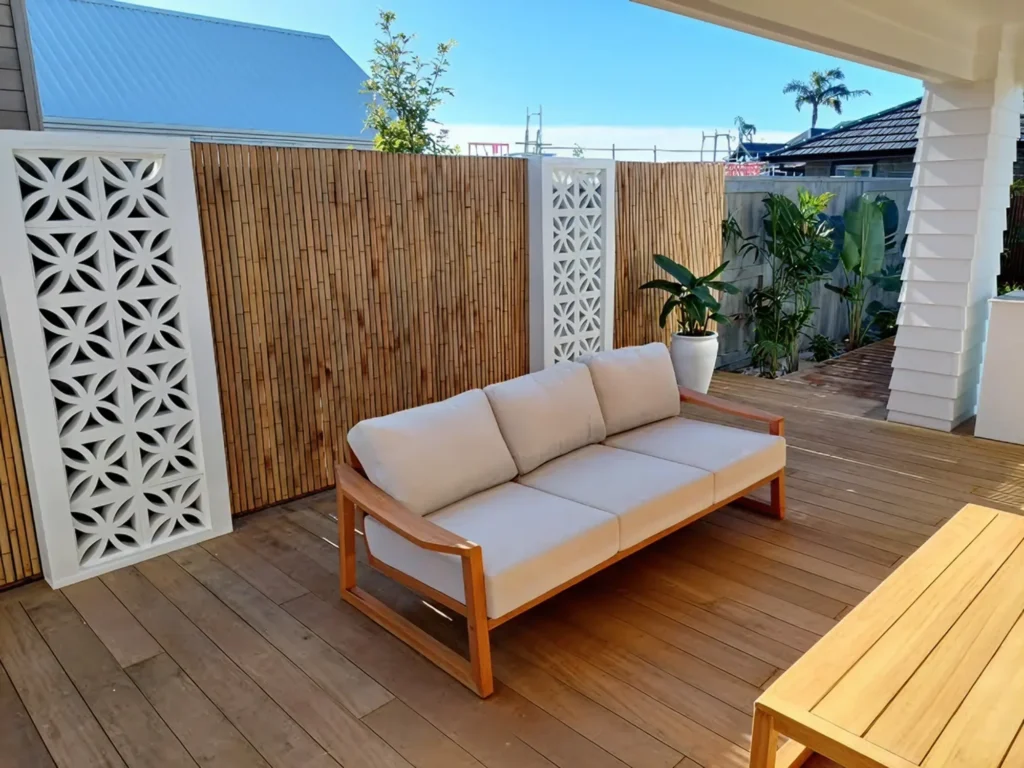
Planning a landscaping project is exciting, but if you’ve started researching your options, you’ve probably come across the terms soft landscaping and hard landscaping. While they may sound technical, understanding the difference can make it much easier to plan an outdoor space that suits your property, lifestyle, and budget.
Put simply, soft landscaping refers to the living elements of a landscape, such as lawns, plants, trees, and garden beds. Hard landscaping includes the structural features, such as paving, retaining walls, decks, patios, and pathways.
Most successful landscaping projects incorporate both. At Brooks Landscape, we work as landscapers in Tauranga and across the Bay of Plenty, helping homeowners find the right balance between practical outdoor living areas and attractive planting that enhances the overall look and feel of their property.
Read more: Why Hire a Professional Landscaper in Tauranga
What Is Soft Landscaping?
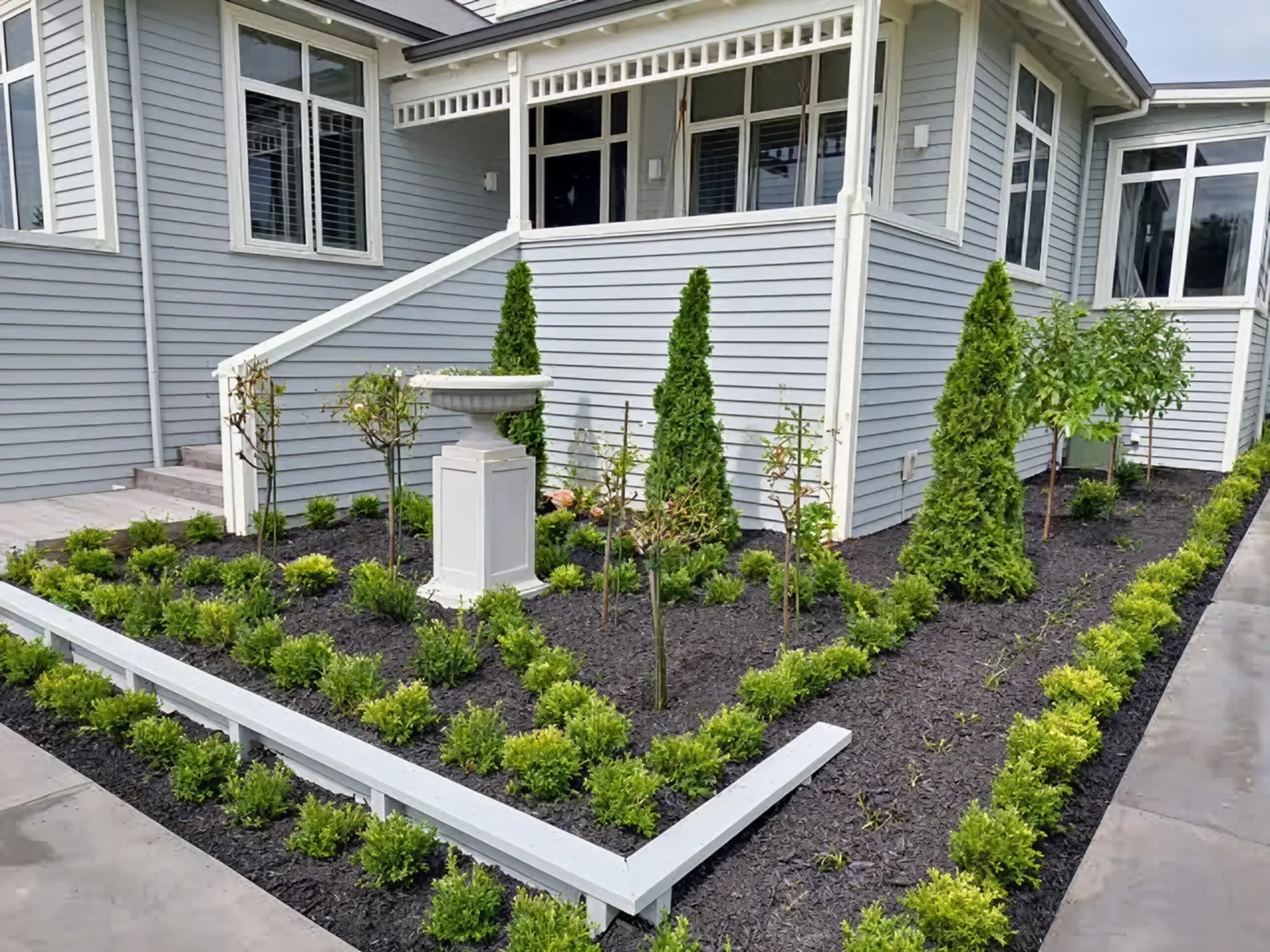
Soft landscaping includes all the natural, living elements within a landscape. In simple terms, it is everything in the garden that is alive and grows or changes with the seasons, such as the lawn underfoot, the trees and shrubs, flower beds, and ground cover plants. These are the parts of a garden that bring colour, softness, and a sense of life to your outdoor space.
Common examples include:
- Lawns and turf
- Trees and shrubs
- Native planting
- Flower gardens
- Ground cover plants
- Vegetable gardens
- Soil and mulch improvements
These elements bring colour, texture, and life to an outdoor space. They can improve privacy, attract local birdlife, and create a more welcoming environment around your home.
One of the biggest benefits of soft landscaping is that it continues to develop over time. As plants mature and gardens become established, the overall landscape often becomes more attractive and functional. However, ongoing maintenance such as pruning, watering, and seasonal care is usually required to keep everything healthy and looking its best.
What Is Hard Landscaping?
Hard landscaping refers to the built and structural features that provide shape, function, and accessibility. These are the solid, non-living parts of a garden, the surfaces you walk on, the areas you sit on, and the structures that hold everything in place, usually made from materials such as timber, stone, concrete, brick, or gravel. Examples include paving, decks, patios, pathways, and retaining walls.
Examples include:
- Decking
- Patios
- Paving
- Driveways
- Retaining walls
- Pathways
- Garden edging
- Pergolas
These features help define outdoor spaces and make them easier to use. A deck creates an area for entertaining, while pathways improve access around the property and retaining walls can transform sloping ground into usable space.
Hard landscaping generally requires a larger upfront investment than planting, but quality materials and professional installation can provide long lasting results with relatively low maintenance requirements.
Soft vs Hard Landscaping at a Glance
The table below summarises the key differences between the two approaches.
| Soft Landscaping | Hard Landscaping | |
| What it is | Living elements: lawns, plants, trees, garden beds | Built features: paving, decks, retaining walls, paths |
| Main benefit | Colour, texture, privacy, natural appeal | Structure, function, accessibility |
| Upfront cost | Generally lower | Generally higher |
| Maintenance | Ongoing: watering, pruning, seasonal care | Low once installed |
| Lifespan | Develops and changes over time | Long lasting with quality materials |
Which Is Better, Soft Landscaping or Hard Landscaping?
Neither soft landscaping nor hard landscaping is better than the other. Each serves a different purpose, and the most effective outdoor spaces combine both: hard landscaping provides structure and usability, while soft landscaping adds colour, texture, and natural appeal.
Soft landscaping and hard landscaping serve different purposes, and the most effective landscapes usually combine both.
For example, a paved patio may provide a practical outdoor entertaining area, but surrounding planting helps soften the space and create a more natural atmosphere. Likewise, a garden filled entirely with plants may look attractive but can be difficult to navigate without pathways or defined outdoor living areas.
The best approach is to consider how you want to use your outdoor space and design around those needs.
Landscaping Considerations for Tauranga Homes
Tauranga’s climate and terrain can influence landscaping decisions in several ways.
Many properties experience strong sun exposure, occasional heavy rainfall, and, in coastal areas, salt laden air. These conditions can affect both plant selection and material choice.
Drainage is another important consideration. Poor drainage can impact lawns, gardens, paving, and retaining walls, potentially leading to expensive repairs if not addressed early.
Sloping sections are also common throughout Tauranga and the wider Bay of Plenty. In these situations, retaining walls, terraces, and carefully planned planting can help improve both functionality and appearance.
Choosing landscaping solutions that suit local conditions can make a significant difference to long term performance and maintenance requirements.
How Much Does Each Approach Cost?
Costs vary depending on the size of the project, the materials chosen, and the condition of your section. As a general guide, soft landscaping tends to have a lower upfront cost but higher ongoing maintenance, while hard landscaping requires a larger initial investment with lower long-term upkeep.
- Soft landscaping: lower starting cost, but regular watering, pruning, and seasonal care add up over time.
- Hard landscaping: higher upfront cost for materials and construction, though quality work can last for decades with minimal maintenance.
- Combined approach: most homeowners spread their budget across both, often staging the work so structural features are completed first.
A professional assessment can give you a clearer estimate based on your property and goals. If you would like a clearer idea of costs for your project, please contact us for a free, no-obligation discussion.
What Most People Don’t Consider
Many homeowners focus on how their landscaping will look immediately after installation. However, some of the most important decisions relate to how the landscape will perform years into the future.
Plants grow larger than expected, maintenance requirements can increase over time, and drainage issues can become more noticeable during periods of heavy rain.
It’s also common for people to prioritise aesthetics over practicality. While certain design trends may look appealing, they don’t always suit the way a family actually uses its outdoor space.
Considering future maintenance, lifestyle needs, and long term durability during the planning stage can help avoid costly changes later.
Preparing Before You Start
Before beginning a landscaping project, it helps to have a clear understanding of what you want to achieve.
Think about:
- How you plan to use the space
- Your budget
- Desired maintenance levels
- Existing drainage issues
- Whether retaining walls or structural work may be required
- Future needs for your family or property
For many homeowners, knowing where to start is often the biggest challenge. Professional advice can help identify opportunities and potential issues before work begins, ensuring your investment delivers the best possible outcome.
Whether you’re planning a new garden, outdoor entertaining area, or a complete landscape transformation, the team at Brooks Landscapes can help you develop a solution tailored to your property and lifestyle.
Looking After Your Landscape Long Term
A well designed landscape should continue to add value and enjoyment for years to come.
Gardens benefit from regular pruning, mulching, and seasonal maintenance, while hard landscaping features such as decks, paving, and retaining walls should be inspected periodically and maintained when necessary.
Investing in suitable materials, selecting the right plants for local conditions, and planning for future growth can help reduce maintenance requirements and improve the longevity of your landscape.
Read more: Landscaping Tauranga: Elevate Your Outdoor Space with Custom Design
Final Thoughts
Soft landscaping and hard landscaping each play an important role in creating an outdoor space that is both attractive and functional. While soft landscaping brings colour, texture, and natural beauty through plants and lawns, hard landscaping provides the structure and usability needed for everyday living.
By understanding the difference between the two and considering how they work together, homeowners can make more informed landscaping decisions and create outdoor spaces that suit their property for years to come.
If you’re planning a landscaping project in Tauranga or the wider Bay of Plenty, Brooks Landscapes can provide expert guidance and practical solutions to help bring your vision to life.
Brooks Landscape
Email: hamish@brookslandscapes.co.nz
Phone: 027 2156 717
Location: Tauranga, Bay of Plenty
Frequently Asked Questions
What is the difference between soft landscaping and hard landscaping?
Soft landscaping includes living elements such as lawns, plants, trees, and garden beds. Hard landscaping includes structural features such as paving, decks, retaining walls, patios, and pathways.
Do I need both soft and hard landscaping?
Most properties benefit from a combination of both. Hard landscaping provides structure and functionality, while soft landscaping adds visual appeal and natural character.
Is hard landscaping more expensive?
Hard landscaping often involves higher upfront costs due to materials and construction work. However, maintenance requirements are generally lower than many planted areas.
What should be completed first?
In most projects, hard landscaping is installed first. This creates the framework for the space before planting and garden installation begins.
How do I know what landscaping solution is right for my property?
The best solution depends on your property’s layout, budget, maintenance preferences, and how you plan to use the space. A professional assessment can help determine the most suitable approach.
Does landscaping increase property value?
Yes. Well-planned landscaping can improve both the appeal and resale value of a property. Functional hard landscaping such as decks, paving, and retaining walls adds usable space, while healthy lawns and established planting create a strong first impression for buyers.
How much does it cost to landscape a garden?
Costs depend on the size of the section, the materials used, and how much structural work is involved. Soft landscaping such as planting and lawns generally has a lower upfront cost, while hard landscaping like retaining walls and decking requires a larger initial investment. A professional assessment gives the most accurate estimate for your property.
What is the difference between a landscaper and a landscape gardener?
A landscape gardener generally focuses on planting, lawns, and garden maintenance, which falls under soft landscaping. A landscaper often covers both soft and hard landscaping, including structural work such as paving, decking, and retaining walls.
How long does a landscaping project take in Tauranga?
Timeframes depend on the size and complexity of the work. Smaller planting projects may take a few days, while larger projects involving retaining walls, decking, or drainage can take several weeks. Weather and ground conditions in the Bay of Plenty can also affect timing.