
Discover the best veggies to plant in your garden now for a bountiful harvest. Learn what to plant in vegetable garden now.
Successful New Zealand gardening relies on understanding your local climate. Each region offers unique soil conditions that dictate your harvest success.
Knowing exactly which crops thrive during specific months remains essential. Using expert vegetable gardening tips helps you maximize your backyard yield throughout the year.

Focusing on seasonal vegetables ensures your patch stays productive. Whether you are a beginner or a seasoned pro, timing is everything for healthy growth.
Let us explore the best options for your soil today. Proper preparation leads to a bountiful kitchen harvest.
Key Takeaways
- Match your crops with local climate zones.
- Test soil quality before starting new beds.
- Select varieties suited for the current month.
- Rotate crops to maintain soil health.
- Monitor moisture levels for consistent growth.
Understanding New Zealand’s Unique Growing Seasons
The unique maritime climate of New Zealand significantly influences the country’s gardening practices. New Zealand’s geography, with its long coastline and mountainous terrain, creates a variety of microclimates that can affect gardening conditions.
The Influence of Maritime Climate on Planting
New Zealand’s maritime climate means that the weather is generally mild, with moderate temperatures and rainfall throughout the year. However, this climate also brings challenges such as unpredictable weather patterns and potential frosts, especially in inland areas.
Gardening for beginners in New Zealand needs to understand these conditions to make informed decisions about what to plant and when.
Mapping Your Local Frost Dates
One of the critical factors in determining what to plant is understanding your local frost dates. Frost dates are the average dates of the last frost in spring and the first frost in autumn. Knowing these dates helps gardeners plan their planting schedule to avoid damage to sensitive crops.
| Region | Average Last Spring Frost Date | Average First Autumn Frost Date |
|---|---|---|
| Auckland | Early October | Late April |
| Wellington | Late October | Early April |
| Christchurch | Mid-October | Mid-April |
By understanding the New Zealand climate and your local frost dates, you can make more informed decisions about your vegetable garden, ensuring a successful and productive harvest.
Determining What to Plant in Vegetable Garden Now
The key to a thriving vegetable garden lies in assessing the current soil temperature and moisture levels. These two factors play a crucial role in determining what vegetables are suitable for planting at any given time.
As emphasized by gardening experts, “Soil temperature is a critical factor in seed germination and root development.” Therefore, understanding and monitoring soil temperature is vital.
Assessing Current Soil Temperature and Moisture
To assess soil temperature, you can use a soil thermometer, which provides an accurate reading of the soil’s current temperature. Most vegetables have an optimal temperature range for germination and growth.
Soil moisture is equally important. Too little moisture can prevent seeds from germinating, while too much can cause them to rot. A simple way to check moisture is by inserting your finger into the soil up to the knuckle; if it feels dry, it’s time to water.
Video source from youtube
Matching Crops to Your Specific Region
Different regions have unique climate conditions that affect what can be grown. In New Zealand, for example, the climate varies significantly from the north to the south. Understanding your local climate and frost dates is essential for choosing the right crops.
For instance, cool-season crops like broccoli and kale thrive in the cooler temperatures of autumn or early spring in many parts of New Zealand. On the other hand, warm-season crops like tomatoes and peppers do well in the warmer months.
- Check local gardening guides for region-specific advice.
- Consider the average frost dates for your area when planning your planting schedule.
- Choose varieties that are known to perform well in your local climate.
By carefully assessing your soil conditions and matching your crops to your region, you can ensure a successful and productive vegetable garden.
Cool-Season Vegetables for Autumn and Winter
Autumn and winter in New Zealand offer a unique opportunity to cultivate a range of hardy vegetables. As the temperatures drop, the focus shifts to cool-season crops that not only survive but thrive in the cooler conditions. These vegetables are typically more resilient to frost and can make the most of the moist soil characteristic of these seasons.
The cooler months provide an ideal environment for certain types of vegetables. Cool-season vegetables are generally categorized into leafy greens and root vegetables, both of which can tolerate the cooler temperatures and, in some cases, even frost.
Hardy Leafy Greens for Cooler Months
Leafy greens are among the most popular cool-season vegetables. They are hardy, nutritious, and can be harvested in as little as 20 days. Some of the best leafy greens for autumn and winter include:
- Kale
- Spinach
- Broccoli
- Brussels Sprouts
- Swiss Chard
These vegetables are not only delicious but also packed with nutrients. Kale, for example, is rich in vitamins A, C, and K, making it a great addition to salads, smoothies, and cooked dishes. Spinach is another versatile green that can be used in a variety of recipes, from salads to pasta dishes.
According to gardening expert, Eliot Coleman, “The key to successful winter gardening is understanding that it’s not just about surviving the cold, but about thriving in it.” This approach involves selecting the right varieties and providing appropriate care.
“The key to successful winter gardening is understanding that it’s not just about surviving the cold, but about thriving in it.”
Root Vegetables That Thrive in Chilly Soil
Root vegetables are another excellent choice for cool-season gardening. They develop underground, where the soil is cooler and often moister, making them well-suited to the autumn and winter conditions. Some popular root vegetables include:
| Vegetable | Days to Harvest | Preferred Soil Condition |
|---|---|---|
| Carrots | 60-70 | Well-draining, loose soil |
| Beets | 50-60 | Moist, cool soil |
| Radishes | 20-30 | Cool, moist soil |
These root vegetables are not only easy to grow but also store well, providing a continuous supply of fresh produce throughout the cooler months. Carrots and beets are particularly popular for their sweetness and versatility in cooking.
Warm-Season Crops for Spring and Summer
New Zealand’s spring season is the perfect time to get started with warm-season crops that will flourish throughout the summer months. As the weather warms up, gardeners can look forward to harvesting a variety of delicious vegetables.
Maximizing Sunlight for Fruiting Vegetables
To get the most out of your warm-season crops, especially fruiting vegetables like tomatoes and peppers, maximizing sunlight is crucial. These plants require full sun to produce well, so choosing a location that receives at least 6 hours of direct sunlight per day is essential.
Tips for Maximizing Sunlight:
- Trim any nearby trees or shrubs to reduce shading.
- Orient your garden beds to face north to capture the sun’s rays.
- Use reflective mulch or other reflective surfaces to bounce sunlight onto your plants.

Succession Planting for Continuous Harvests
Succession planting is a technique that involves planting small batches of seeds every few weeks. This strategy ensures a continuous harvest throughout the growing season, rather than having all your crops mature at once.
Benefits of Succession Planting:
- Extends the harvest season.
- Reduces the risk of crop failure.
- Increases overall yield.
| Crop | Planting Time | Harvest Time |
|---|---|---|
| Tomatoes | Early Spring | Mid-Summer |
| Peppers | Early Spring | Late Summer |
| Cucumbers | Late Spring | Mid-Summer |
Essential Soil Preparation Techniques
To grow a healthy and productive vegetable garden, understanding essential soil preparation techniques is vital. Soil preparation is not just about digging and planting; it’s about creating a nurturing environment for your vegetables to thrive.
Effective soil preparation involves several key steps, including assessing your soil type, improving its structure, and ensuring it has the necessary nutrients for optimal plant growth.
Composting and Organic Matter Enrichment
One of the most effective ways to enhance your soil’s fertility and structure is through composting and adding organic matter. Composting involves breaking down organic materials like kitchen scraps, leaves, and grass clippings into a nutrient-rich soil amendment.
- Add kitchen scraps, avoiding meat and dairy products.
- Include leaves and grass clippings for carbon-rich materials.
- Maintain a balance between “green” (nitrogen-rich) and “brown” (carbon-rich) materials.
- Regularly turn the compost pile to ensure aeration and speed up decomposition.
Incorporating organic matter into your soil not only improves its nutrient content but also enhances its water-holding capacity and aeration, creating a more favorable environment for root growth.
Balancing Soil pH for Optimal Nutrient Uptake
Soil pH plays a critical role in determining the availability of nutrients to plants. Most vegetables prefer a slightly acidic to neutral soil pH, ranging from 6.0 to 7.0.
To balance your soil’s pH, you can:
- Test your soil pH regularly using a soil testing kit.
- Add lime to raise the pH if your soil is too acidic.
- Use elemental sulfur or peat moss to lower the pH if your soil is too alkaline.
By adjusting your soil’s pH and maintaining it within the optimal range, you can ensure that your vegetables can uptake the necessary nutrients for healthy growth.
Watering Strategies for Different Growth Stages
Understanding the right watering strategies can significantly impact the health and productivity of your vegetable garden. Vegetables have different watering needs at various growth stages, and employing the right techniques can make a substantial difference in their development.
Vegetables require more frequent watering during their germination and seedling stages. Consistent moisture helps seeds sprout and young seedlings establish a strong root system. As plants grow, their watering needs change. For instance, vegetables like tomatoes and peppers require more water when they’re producing fruit, while root vegetables need consistent moisture to develop properly.
Efficient Irrigation Methods
When it comes to watering, gardeners have several options. Two popular methods are drip irrigation and manual watering. Drip irrigation delivers water directly to the roots of the plants, reducing evaporation and runoff. This method is particularly effective for gardens with a variety of plants and can be automated for convenience.
On the other hand, manual watering allows gardeners to inspect their plants closely and adjust watering based on visual cues. It’s a more traditional method that can be just as effective, especially for smaller gardens.
| Irrigation Method | Advantages | Disadvantages |
|---|---|---|
| Drip Irrigation | Water-efficient, reduces evaporation, can be automated | Initial setup cost, potential for clogging |
| Manual Watering | Allows for close plant inspection, flexible watering schedule | Labor-intensive, potential for over or under-watering |
Managing Water Needs During Dry Spells
Dry spells can be challenging for gardeners. To manage water needs during these periods, it’s essential to mulch around plants to retain soil moisture and reduce evaporation. Additionally, watering in the early morning or late evening can help minimize water loss.
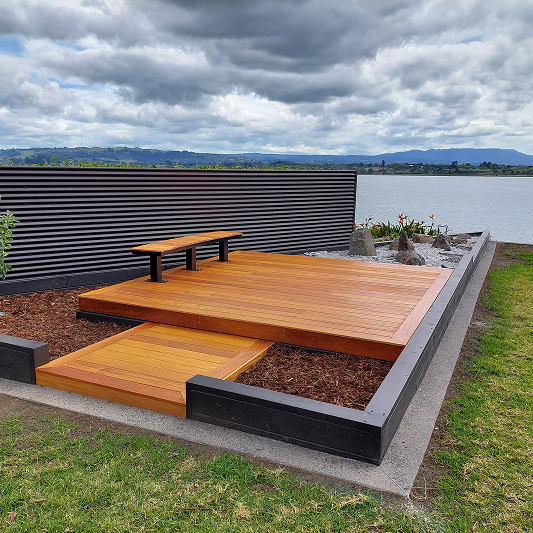
For homeowners in Tauranga and the wider Bay of Plenty, landscaping decisions need to reflect local conditions such as coastal weather, soil type, and long-term maintenance requirements. Brooks Landscapes works closely with clients in areas like Papamoa and Omokoroa to deliver tailored outdoor solutions that are built to perform in the local environment while enhancing property value.
Monitoring soil moisture by checking it manually or using a soil moisture meter can also help in making informed watering decisions. Adjusting your watering schedule according to weather forecasts can further optimize water use.
By adopting these watering strategies, gardeners in New Zealand can ensure their vegetable gardens remain healthy and productive throughout the growing season.
Natural Pest Control and Garden Maintenance
As you cultivate your vegetable garden, it’s essential to focus on natural pest control and regular maintenance. A healthy garden is not just about the initial planting; it requires ongoing care to protect it from pests and diseases.
Maintaining a garden involves understanding the local ecosystem and the common pests that can affect your crops. New Zealand gardens are susceptible to various pests, and identifying them is the first step towards effective natural pest control.
Identifying Common New Zealand Garden Pests
Some of the most common pests in New Zealand gardens include slugs, snails, aphids, and caterpillars. These pests can cause significant damage to your crops if not managed properly. Regular monitoring of your garden is crucial to catch any infestations early.
Slugs and snails are particularly problematic as they can damage a wide range of plants. Aphids, on the other hand, are more specific in their targets but can still cause considerable harm by sucking sap from plants.
Companion Planting for Natural Defense
Companion planting is a natural and effective method of pest control. By planting certain vegetables, herbs, or flowers alongside your crops, you can deter pests and improve overall garden health. For example, marigolds repel nematodes, while basil can improve the flavor of nearby vegetables and repel pests like aphids and mites.
Other examples include planting garlic or chives to deter aphids and other pests. The key is to choose companion plants that are beneficial for the specific crops you are growing.
Container Gardening for Small Spaces
New Zealand gardeners with limited space can greatly benefit from adopting container gardening techniques. Container gardening is a versatile and efficient way to grow a variety of vegetables, even in the smallest of spaces. This method allows for better control over soil quality and moisture, reducing the risk of pests and diseases.
When starting a container garden, it’s essential to understand the basics of this gardening method. Container gardening involves growing plants in pots or containers instead of directly in the ground. This approach is particularly useful for urban gardeners or those with limited garden space.
Selecting the Right Containers and Potting Mix
When it comes to container gardening, selecting the right containers and potting mix is crucial. Containers should have good drainage holes to prevent waterlogged soil, which can lead to root rot and other problems. The size of the container will depend on the type of vegetable being grown; larger containers are needed for plants like tomatoes, while smaller ones suffice for herbs.
A well-draining potting mix enriched with organic matter is ideal for healthy root development. Gardeners can either purchase a pre-made potting mix or create their own mix using compost, peat moss, and perlite. The potting mix should retain moisture but also drain excess water efficiently.

Best Vegetables for Vertical and Pot Culture
Some vegetables are better suited for container gardening than others. Leafy greens, such as lettuce and kale, thrive in containers and can be harvested continuously. Cherry tomatoes and other compact varieties of tomatoes are also well-suited for container gardening, producing a high yield in relatively small spaces.
Herbs like basil and mint are ideal for container gardens. They require minimal space and can be used to add fresh flavor to a variety of dishes. Other vegetables that do well in containers include peppers, cucumbers, and carrots, provided the container is deep enough to accommodate their root systems.
By choosing the right vegetables and following proper container gardening techniques, gardeners in New Zealand can enjoy a bountiful harvest even in the smallest of spaces.
Harvesting and Storing Your Homegrown Produce
As the fruits of your labor begin to ripen, it’s essential to know when to harvest them for optimal flavor and texture. Harvesting at the right time ensures that your vegetables are at their best for eating, and proper storage techniques will help extend their shelf life.
Timing is everything when it comes to harvesting. Picking too early or too late can significantly affect the quality and taste of your produce. Understanding the signs of peak ripeness for different vegetables is crucial.
Signs of Peak Ripeness for Common Vegetables
Different vegetables have distinct signs of ripeness. For example, tomatoes are ready when they are fully colored and slightly soft to the touch. Leafy greens like lettuce and spinach are best harvested when they are young and tender.
Root vegetables such as carrots and beets are ready when they are between 1/2 to 1 inch in diameter. Checking the size and color regularly can help you determine the perfect time to harvest.
According to gardening expert,
“The key to a successful harvest is observing your crops regularly and being prepared to act at the right moment.”
Proper Storage Methods to Extend Shelf Life
Once harvested, storing your produce correctly is vital to maintaining its freshness. Cool, dry places are ideal for storing root vegetables, while leafy greens should be kept in sealed containers in the refrigerator.
Some vegetables, like tomatoes, should be stored at room temperature until ripe, then refrigerated to prolong freshness. Understanding the specific storage needs of each type of vegetable will help you enjoy your harvest for longer.
- Store potatoes in a cool, dark place to prevent greening.
- Keep onions and garlic in a well-ventilated area to prevent moisture buildup.
- Refrigerate leafy greens and herbs to maintain freshness.
Conclusion
As you now know, a successful harvest in New Zealand’s unique climate requires careful planning and attention to detail. By understanding your local growing seasons, assessing soil conditions, and choosing the right vegetables for the time of year, you can enjoy a bountiful harvest.
This vegetable gardening summary highlights the importance of matching crops to your region and preparing the soil for optimal growth. By applying these gardening tips summary, you can maximize your yields and enjoy a diverse range of homegrown produce.
Whether you’re growing cool-season vegetables in autumn or warm-season crops in spring, the key to success lies in understanding the specific needs of your garden. With the right techniques and a little practice, you’ll be enjoying fresh, delicious vegetables from your own backyard in no time.
FAQ
How do I know the best time to start planting in my specific New Zealand region?
Which vegetables are most successful for beginners during the cooler months?
How can I improve my soil quality before the main planting season?
What is the benefit of companion planting in a vegetable garden?
Is drip irrigation really better than using a standard garden hose?
Can I grow a full vegetable garden if I only have a small balcony or patio?
How do I tell when my vegetables are ready to be harvested?
What should I do to protect my crops during a sudden dry spell?
If you're planning a landscaping project in Tauranga or the Bay of Plenty, get in touch with Brooks Landscapes to discuss your ideas and see how we can help bring your outdoor space to life.